Tighter New Zealand election race stokes investor fears on policy backflips
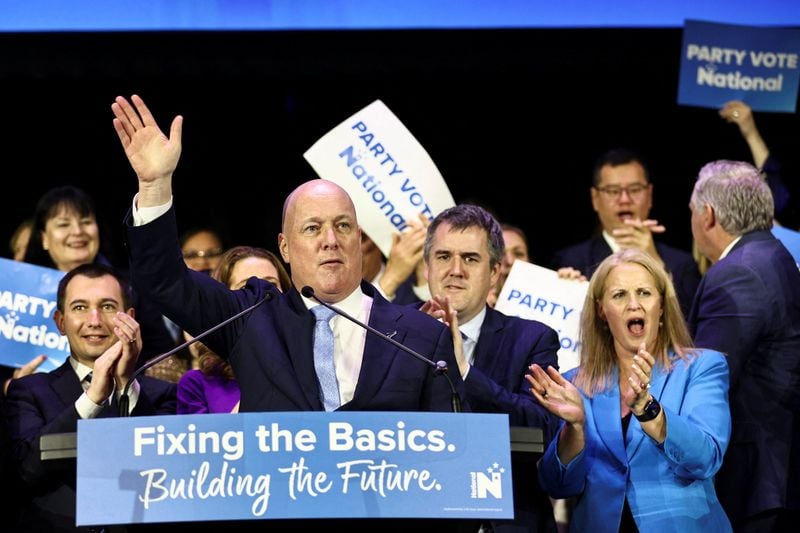
New Zealand faces heightened investor concerns as a looming election threatens to unravel the stability that has characterized the country's political landscape for decades. The National-led government, backed by New Zealand First and ACT, has enacted significant policy changes since taking office in late 2023, including reviving mining and reinstating offshore oil and gas exploration.
However, the prospect of a change in government could bring about policy upheaval, complicating the economic recovery of the small, capital-intensive economy.
The Reserve Bank of New Zealand (RBNZ) recently adopted a single inflation-focused mandate, dropping the employment mandate added by its Labour predecessor. If Labour wins the election, it has signaled its intention to restore the dual mandate, citing it as mainstream internationally. This potential shift could complicate the central bank's efforts to control inflation, as economists warn that reintroducing employment as a mandate might slow the return of inflation to target levels.
The political environment is further clouded by the rise of smaller parties, which have gained substantial support due to their more radical policies. New Zealand First, led by populist right-wing leader Winston Peters, has proposed buying the National Bank, breaking up supermarket operator Foodstuffs into regional cooperatives, and restoring the central bank to a single mandate.
The Green Party has indicated it would revoke some fast-track approvals for mining projects. The uncertainty surrounding the potential influence of these smaller parties, which could hold about a third of the vote, adds to the economic risk.
The OECD has cautioned against frequent changes to the central bank's mandate and remit, emphasizing that stability between scheduled five-year reviews helps preserve predictability, credibility, and confidence in monetary policy. Westpac analysts have expressed concern that restoring the dual mandate to the RBNZ could result in a slightly slower return of inflation to target, along with a slower rise in the Official Cash Rate and greater tolerance for temporary inflation overshoots when labor-market conditions are weak.
Infrastructure New Zealand's chief executive, Nick Leggett, highlights the risk posed by the political instability, noting that the previous government cancelled various projects and wound up significant road programs. This stop-start model has cost the country an estimated NZ$11.8 billion over the past 25 years. Leggett stresses the need to reduce the impact of politicians' decisions to announce, cancel, or politicize infrastructure projects to provide contractors and public agencies with greater planning confidence.
Written by urgent.news from Investing.com's reporting — not their text. Machine-written — may contain errors; check the original before relying on it.