The Next Generation of Weight-Loss Drugs Is Almost Here
Scientists are exploring a new group of hormones—beyond GLP-1s—to target for weight loss.
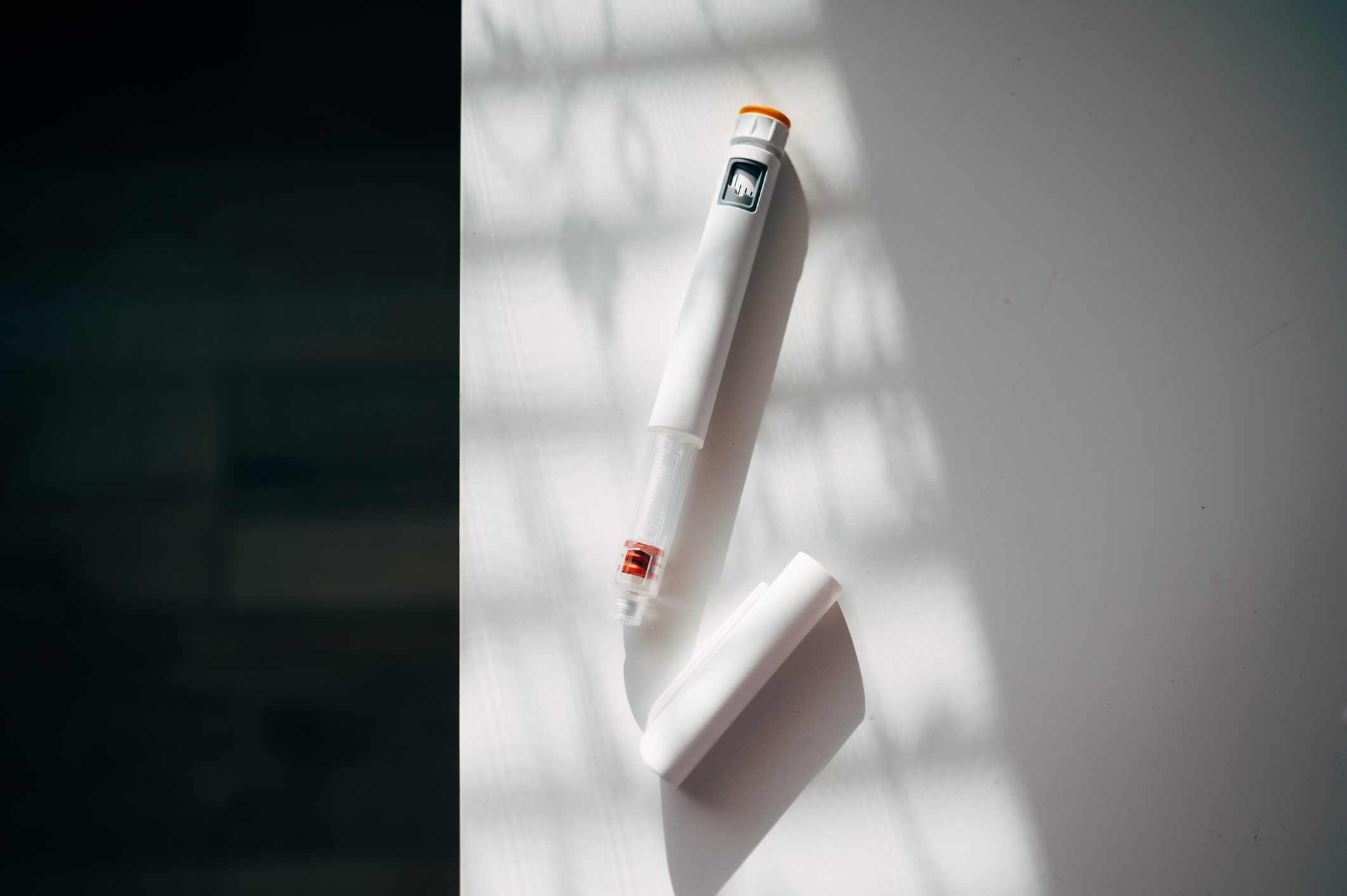
Weight-loss drugs that mimic GLP-1, a hormone in the gut, have been gaining traction for treating obesity and diabetes. However, their side effects, primarily affecting the gastrointestinal system, cause around 40% of users to discontinue use within a year. At the European Association for the Study of Diabetes meeting in Milan, researchers from companies behind popular weight-loss medications unveiled promising results from a new class of injectable drugs, amylins.
Amylins, which work similarly to GLP-1s by suppressing appetite and controlling stomach emptying, may offer fewer side effects. Novo's study revealed that their experimental amylin-based drug, CagriSema, taken as a weekly injection, helped overweight or obese individuals lose 22.4% of their starting body weight after a year compared to those on a placebo.
Additionally, CagriSema altered brain responses to food, potentially reducing cravings. The drug also lowered harmful fat in the liver and pancreas in people with Type 2 diabetes. Novo's chief scientific officer, Martin Holst Lange, expressed excitement about the drug's potential to improve patients' overall well-being. Eli Lilly reported that EloraTZP, a combination of its amylin analogue and the GLP-1 drug tirzepatide, led to a 23% weight loss in people with obesity and Type 2 diabetes, compared to 14.8% with tirzepatide alone.
Zealand Pharmaceuticals shared results from its study of another amylins-based compound, petrelintide, showing an average 10% weight loss in overweight individuals without diabetes. Amylin-based medications' attractive side-effect profile may make them ideal first-line treatments for people seeking moderate weight loss without the unpleasant side effects of GLP-1 drugs.
Written by urgent.news from Time's reporting — not their text. Machine-written — may contain errors; check the original before relying on it.