Tackling the smog challenge
EDITORIAL: As the smog season approaches, Punjab’s preparations show a welcome shift from seasonal alarm to sustained enforcement and investment. The latest figures from the Punjab Safe Cities Authority (PSCA) are striking: in just three days, its technology-based monitoring detected 1,038 environmental violations and led to 1,277 e-challans and other legal and administrative actions. Uncovered…
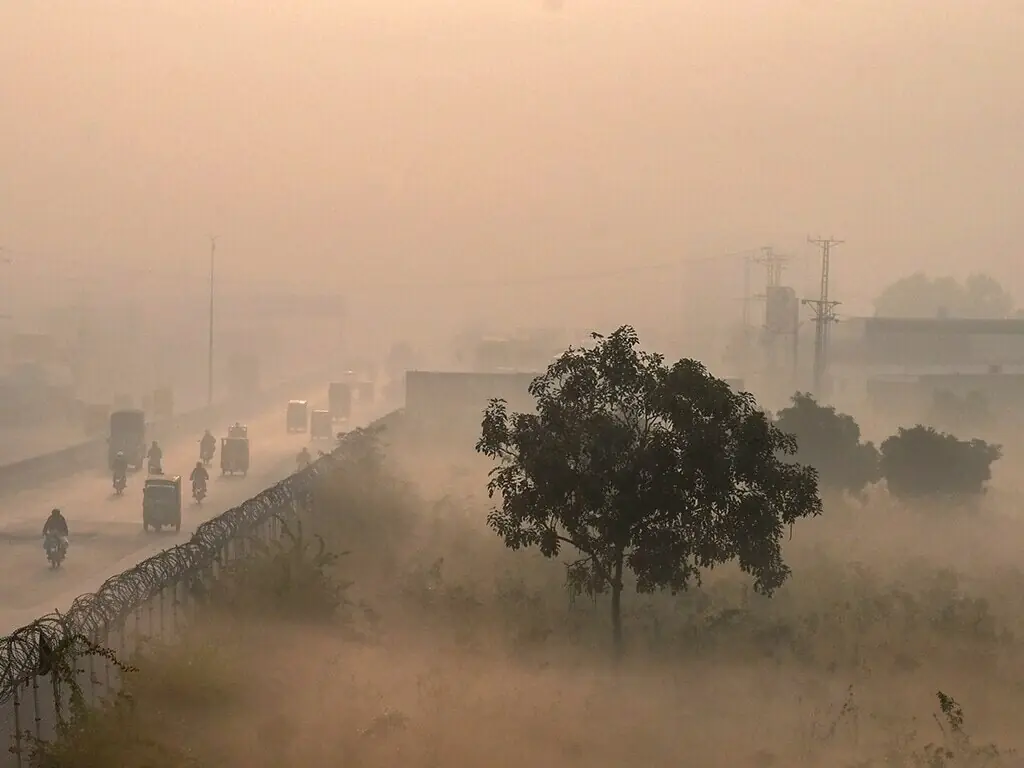
As the smog season approaches, Punjab's approach transitions from reactive alarm to proactive enforcement and investment, according to the latest data from the Punjab Safe Cities Authority (PSCA). In a mere three days, their tech-driven monitoring uncovered 1,038 environmental breaches, resulting in 1,277 electronic warnings and legal actions for infractions related to construction debris, smoky vehicles, grilling and chimney emissions, brick kilns, industrial pollution, and open burning.
The campaign has also utilized drones and advanced video analytics to facilitate more systematic enforcement, instead of solely depending on manual inspections. However, detection is merely the starting point; the true challenge lies in whether violations decrease due to penalties that are both assured and consistently enforced.
The government must ensure that automated enforcement remains transparent, evidence-based, and subject to human oversight, with a reliable avenue for individuals to contest inaccurate e-challans. This is particularly crucial as Punjab expands its digital surveillance infrastructure. Equally important is pairing enforcement with practical alternatives.
The plan to deploy 120,000 electric two- and three-wheelers through the Punjab Clean Air Programme is a significant step in this direction. However, the success of this initiative hinges on affordable financing, adequate charging infrastructure, and responsible battery waste management. The proposed electric buses and 120,000 two-and-three wheelers, supported by an affordable financing scheme, also contribute to the transition towards cleaner transportation.
Nevertheless, the carbon credit component necessitates careful evaluation. While carbon credits may provide supplementary funding through the monetization of verified emissions reductions, they should not be the sole focus. Before pursuing revenue from carbon markets, Punjab needs a reliable system for measuring, reporting, and independently verifying actual emissions reductions.
Key transparency factors include baseline data, methodologies, verification arrangements, and revenues generated from any credits, all of which should be publicly disclosed. The ultimate goal remains improving air quality; carbon finance should support this objective rather than replace it. A broader insight emerges from this approach.
Smog is not the result of a single industry; rather, it is a result of various sources, including vehicles, construction dust, industrial emissions, brick kilns, waste burning, and crop residue burning. Each of these requires unique solutions. For example, providing seed money to farmers is essential for offering them viable alternatives to residue burning if enforcement is to be sustainable.
While the government deserves commendation for initiating enforcement before the most severe winter weeks, the ultimate measure of success should be sustained reductions in exposure to PM2.5, not merely the issuance of challans, installation of cameras, or the number of meetings held. Punjab needs a comprehensive clean-air strategy that encompasses enforcement measures, affordable alternatives, reliable data, public accountability, and long-term changes in transportation, agriculture, and industry.
Only then can the annual smog crisis transform into a manageable public policy challenge rather than an ongoing emergency.
Written by urgent.news from Business Recorder's reporting — not their text. Machine-written — may contain errors; check the original before relying on it.