We love Cameron Highlands. But are we caring for it? – Nadiah Mahmad Nasir
OCTOBER 1 — Cameron Highlands has followed me through different stages of my life.My earliest memories are from ch...
Cameron Highlands has been a significant part of my life since I was a child. The memory of those early visits with family and on school trips remains vivid, as the area was famous for its cool mornings, winding roads, strawberries, tea plantations, and colorful flowers. As I grew older, my relationship with Cameron Highlands evolved, moving from rushed holidays to leisurely stays where I could appreciate its simpler charms.
These days, taking a leisurely walk through Taman Sedia, chatting with local residents at small shops, or stopping for roti canai in Tanah Rata has become just as cherished as the more traditional experiences.
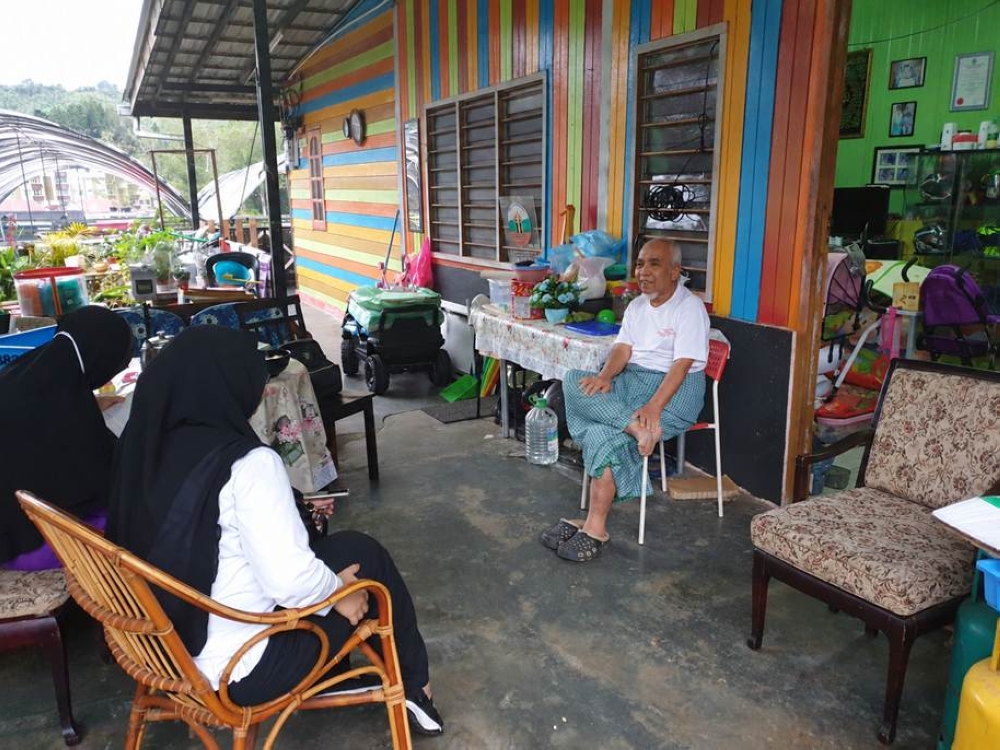
Cameron Highlands also became a venue for my academic pursuits. The area offered a rich backdrop for researching Muslim-friendly tourism, where I had the chance to engage with local residents, entrepreneurs, and travelers. The experience broadened my perspective; while conducting formal interviews, it was the casual conversations with locals — about their families, businesses, and how Cameron Highlands had changed over time — that offered the most meaningful insights.
From a tourist standpoint, we often focus on the finished product: checking into accommodations, eating, visiting attractions, taking photographs, and returning home. However, behind each tourist experience lies a community of people who work tirelessly to build businesses and livelihoods. Local families operate homestays, eateries, cafés, farms, and sell local products.
This realization shifted my understanding — Cameron Highlands is not merely a destination but a home for people whose lives continue even after tourists have left.
This understanding came to the forefront when friends from overseas visited Malaysia. Seeing Cameron Highlands through their eyes, I was reminded of why I loved it so much — the cool weather, the farms, the food, and the landscape. Yet, the love for Cameron Highlands comes with a paradox: the more people who cherish a place, the greater the potential strain. The joy of seeing it filled with visitors masks the underlying concern that the same enthusiasm might overburden the environment and local infrastructure.
While the traffic congestion during peak times is a familiar complaint, it’s crucial to remember that every car on the road represents a person who shares the same passion for Cameron Highlands. The challenge lies not in discouraging visitors but in finding ways to manage the influx sustainably.
Research highlighted that mass tourism, while beneficial for businesses, raises environmental sustainability concerns. Issues like heavy traffic, pressure on the highland environment, and irresponsible visitor behavior — including littering and taking plants — underscore the need for a balance. Responsible tourism practices, such as leaving no rubbish behind, respecting local communities, and supporting local businesses, are simple yet effective measures that can alleviate these pressures.
Ultimately, caring for Cameron Highlands is a shared responsibility. As visitors, we have a duty to respect the environment, the local economy, and the people who call this place home. By adopting a mindset of responsible tourism, we can ensure that Cameron Highlands remains a cherished destination for generations to come.
Written by urgent.news from Malay Mail's reporting — not their text. Machine-written — may contain errors; check the original before relying on it.