Swiss glaciers suffer 'disastrous' year of ice loss, threatening water supplies
Scientists say such rapid melting is no longer surprising given the pace of climate change.
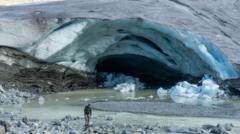
Swiss glaciers experienced an unprecedented ice loss in 2026, as new data reveals a 5% reduction in remaining glacier ice over the past year. This rapid melting, driven by intense summer heatwaves, threatens water supplies for farming, hydropower, and transport in the region. Scientists warn that such rapid ice loss is no longer surprising due to climate change, but the sheer pace of melting is alarming.
Long-term glacier thinning and thawing of frozen ground likely exacerbated the risks, increasing the potential for landslides and flash flooding. Swiss glaciers started the summer with less snow than usual, making them more vulnerable to melting in subsequent heatwaves. Meltwater from glaciers can provide crucial water resources during hot, dry conditions, but the loss of ice raises long-term concerns.
Even in high elevations where snow is typically present, scientists found no snow remaining at 3,500 meters above sea level. The disappearance of glaciers could lead to the starvation and eventual disappearance of glaciers. While carbon emissions cuts are crucial for saving much of the world's glacier ice, especially in the Himalayas and polar regions, every effort to protect these ice masses is essential to limit global sea level rise.
Written by urgent.news from BBC World's reporting — not their text. Machine-written — may contain errors; check the original before relying on it.
This story
This is one outlet's version. Read the fullest account.