Swiss glaciers suffer another year of record ice loss
Switzerland's glaciers are disappearing at a record pace. More than 5% of their ice has vanished this year alone — threatening water supplies, ecosystems and communities across Europe.
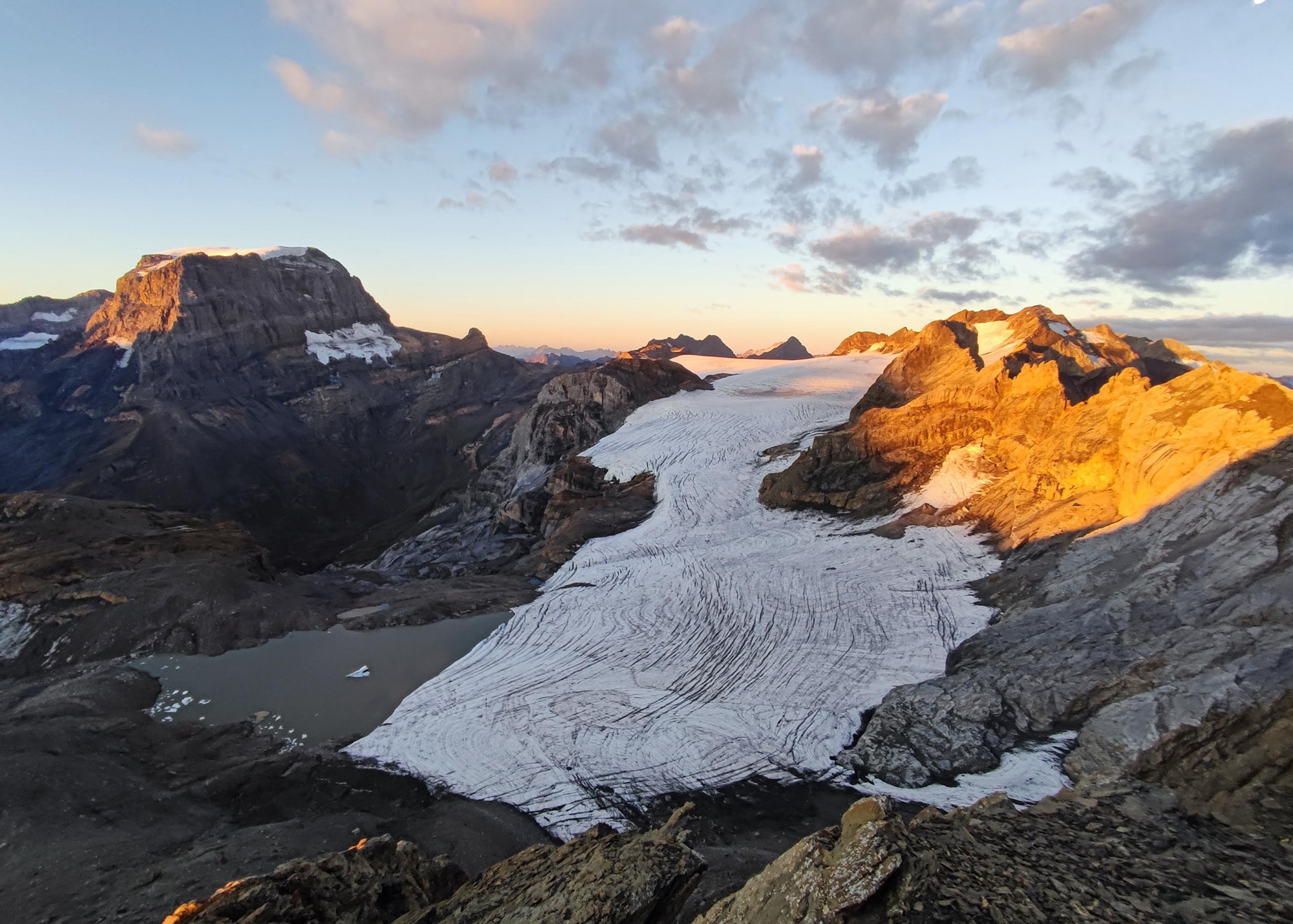
Swiss glaciers endured a devastating year of ice loss in 2026, according to new data, as scorching summer heatwaves wreaked havoc on Alpine peaks. An astounding 5.5% of the nation's remaining glacier ice vanished in just 12 months, a pace deemed "disastrous" by scientists. Climate change is the likely culprit, but rapid glacier thinning and thawing of frozen ground likely exacerbated the situation.
The loss of glacier ice can destabilize mountain slopes and raise the risk of landslides, potentially leading to flash flooding, as witnessed in Nepal in August.
The most alarming finding is the sheer speed of melting. Until recently, 2% ice loss in a single year was considered extreme. This year far exceeded that threshold. Swiss glaciers started the summer with less snow than usual, following a mild winter. The early and intense heatwaves of May and June exposed the ice below, making them vulnerable to rapid melting.
Meltwater from glaciers provides vital water for irrigation, hydropower, and shipping during hot, dry conditions. In 2026, Swiss glaciers released 2.2 trillion liters of meltwater between July and September, helping to alleviate water shortages. However, this rapidly diminished the frozen supply, threatening long-term water availability.
The River Rhine reached record lows this summer, affecting shipping navigation and increasing transportation costs. At the highest elevations, where temperatures are lowest and glaciers are typically snow-covered, no snow remained at the end of summer, with some glaciers losing up to four meters of ice. Snow acts as "glacier food," providing the foundation for ice formation.
If no snow survives the summer, glaciers cannot replenish the ice lost to melting at lower elevations, leading to their starvation, shrinkage, and eventual disappearance. Scientists warn that the climate is now too warm for many Alpine glaciers to survive, and aggressive carbon emissions reductions could still save much of the world's glacier ice, particularly in the Himalayas and polar regions.
Written by urgent.news from BBC Science's reporting — not their text. Machine-written — may contain errors; check the original before relying on it.
This story
This is one outlet's version. Read the fullest account.