Space Reactors Division
Why nuclear? Solar power works near Earth, but it does not work everywhere the United States needs to go. To sustain a presence on the Moon, send crews to Mars, and explore the outer solar system, the nation needs a power source that works everywhere, without relying on the Sun. Nuclear power is that source. Find out more on the […] The post Space Reactors Division appeared first on NASA Science .
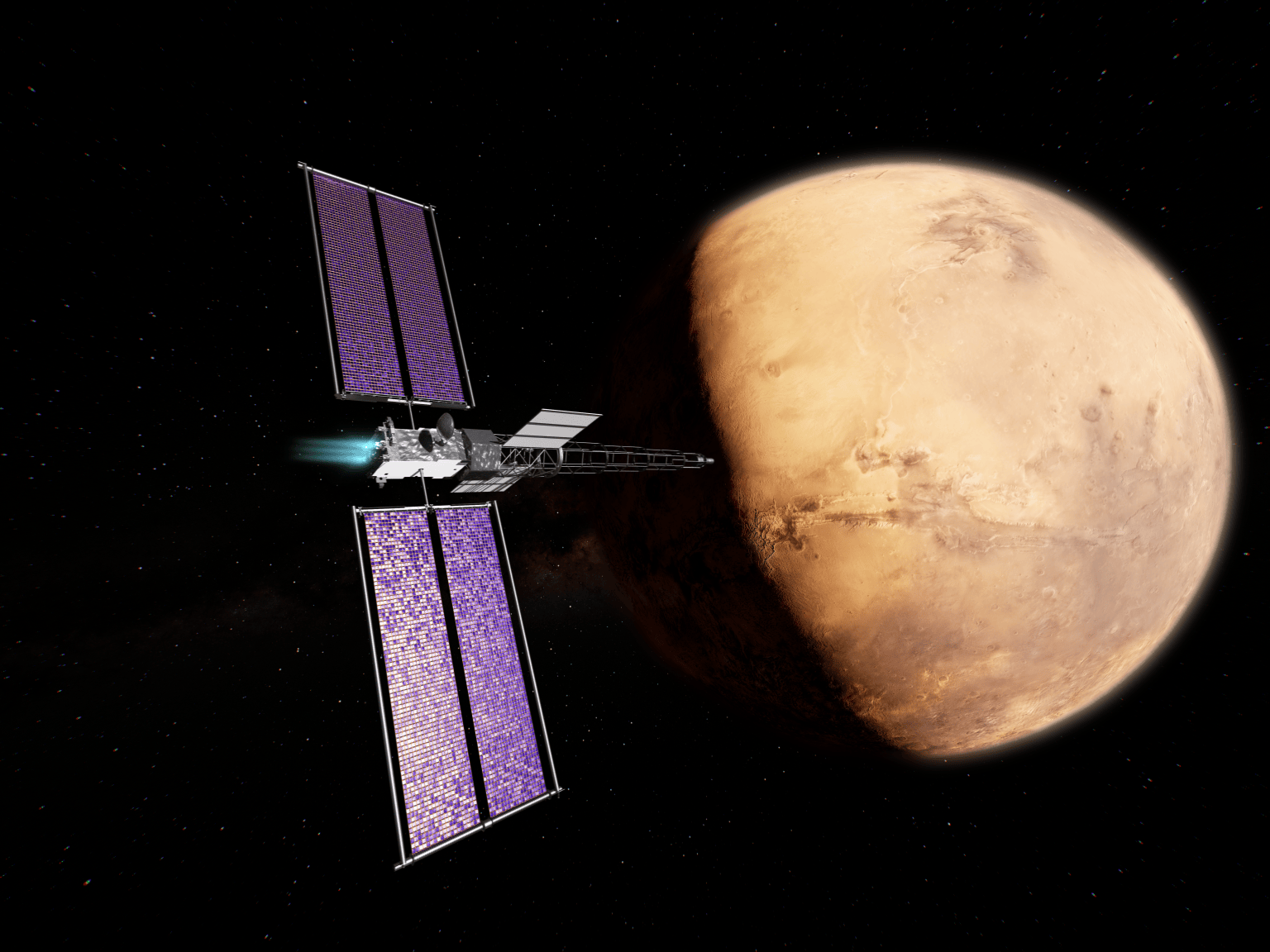
The Space Reactors Division of NASA's Research and Technology Mission Directorate is leading the charge in developing cutting-edge technology for nuclear power in space. While solar power is effective near Earth, it falls short in the vast and varied environments that NASA plans to explore. To establish a continuous human presence on the Moon, send crews to Mars, and venture into the outer solar system, the United States requires a reliable power source that functions universally, independent of sunlight.
Nuclear power emerges as that indispensable solution. For more details, consult the Ignition Fact Sheet.
One of the division's initiatives is the Space Reactor-1 Freedom, scheduled to embark on a mission to Mars in 2028. This fission-powered interplanetary spacecraft will showcase nuclear-electric propulsion, marking a significant step towards interplanetary travel. It will also deliver three SkyFall helicopters to Mars, enhancing the exploration capabilities of future missions. More information about this ambitious endeavor can be found here.
Another pioneering project is Lunar Reactor-1, the first fission power system to be stationed on the lunar surface. This reactor will provide crucial energy for the Moon Base during the extended lunar nights, ensuring the sustainability of human habitation and exploration near the Moon's South Pole, a region of great scientific interest. Further insights into this groundbreaking mission are available here.
Written by urgent.news from NASA Science's reporting — not their text. Machine-written — may contain errors; check the original before relying on it.