“A single camera deployment can reveal something entirely unexpected.” Researchers dropped a camera in the ocean for an hour – and caught footage of a rare shark
Researchers with National Geographic have captured footage that proves an endangered shark also visits Samoan waters
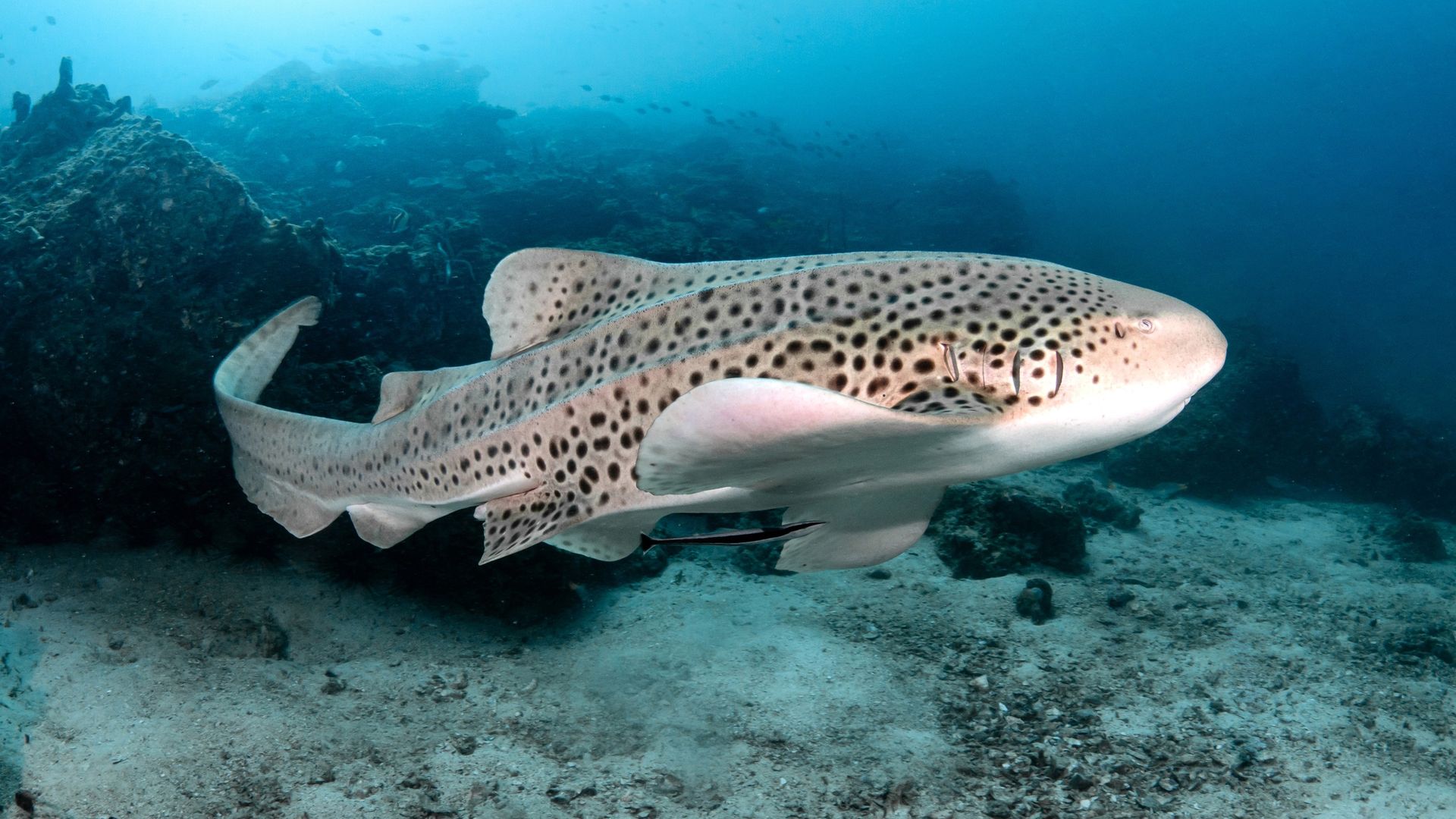
Researchers deploying a camera off the coast of Apolima Island in Samoa unexpectedly captured footage of an endangered leopard shark. This was the first time the rare species has been recorded in Samoan waters, providing crucial evidence of the shark's range. The footage, captured during a National Geographic Pristine Seas survey using BRUVs (baited remote underwater video systems), also highlights the significance of camera deployments in wildlife research.
Jett Walker, a scientist from National Geographic Pristine Seas, stated that a single camera deployment can yield unexpected insights into a species' distribution. The leopard shark, known for its slow movement and preference for sandy bottom habitats, was captured on the team's initial deployment in the region. This promising start suggests that camera traps can play a vital role in conservation efforts, as demonstrated by the group's prior work supporting the creation of 31 protected marine reserves.
Written by urgent.news from Digital Camera World's reporting — not their text. Machine-written — may contain errors; check the original before relying on it.