Securing coastal waters for small-scale fishers: Lessons from Ghana
Ghana's small-scale fishers spent a decade fighting for their coastal waters, winning an expanded Preferential Access Area. As Europe prepares its Ocean Act, small-scale fishers are demanding EU leaders listen.
The European Union's Ocean Act offers a crucial opportunity to reshape Europe's seas in an equitable and sustainable manner. However, the EU's actions in coastal waters have been criticized for allowing industrial bottom trawlers free access, which directly harms coastal communities and small-scale fishers who constitute the majority of Europe's fishing fleet.
In contrast, Ghana has taken significant steps to secure its coastal waters by extending its Preferential Access Area (PAA) from six to 12 nautical miles, providing exclusive fishing rights to local, small-scale fishers and prohibiting destructive vessels like trawlers from entering these waters.
Ghana's commitment to protecting its coastal waters, despite limited financial and scientific resources, has paid off. Studies show that well-enforced PAAs, where bottom trawling is banned, enhance the resilience of small-scale fishing fleets, speed up fish stock recovery, and safeguard coastal livelihoods. Moreover, CaFGOAG, the Canoe and Fishing Gear Owners Association of Ghana, has been advocating for ten years for stronger protection of Ghana's inshore waters through the expanded PAA.
The association emphasizes that political and economic complexity should not be an excuse for inaction, but rather a call for meaningful dialogue, robust evidence, and direct involvement of those whose livelihoods depend on marine resources.
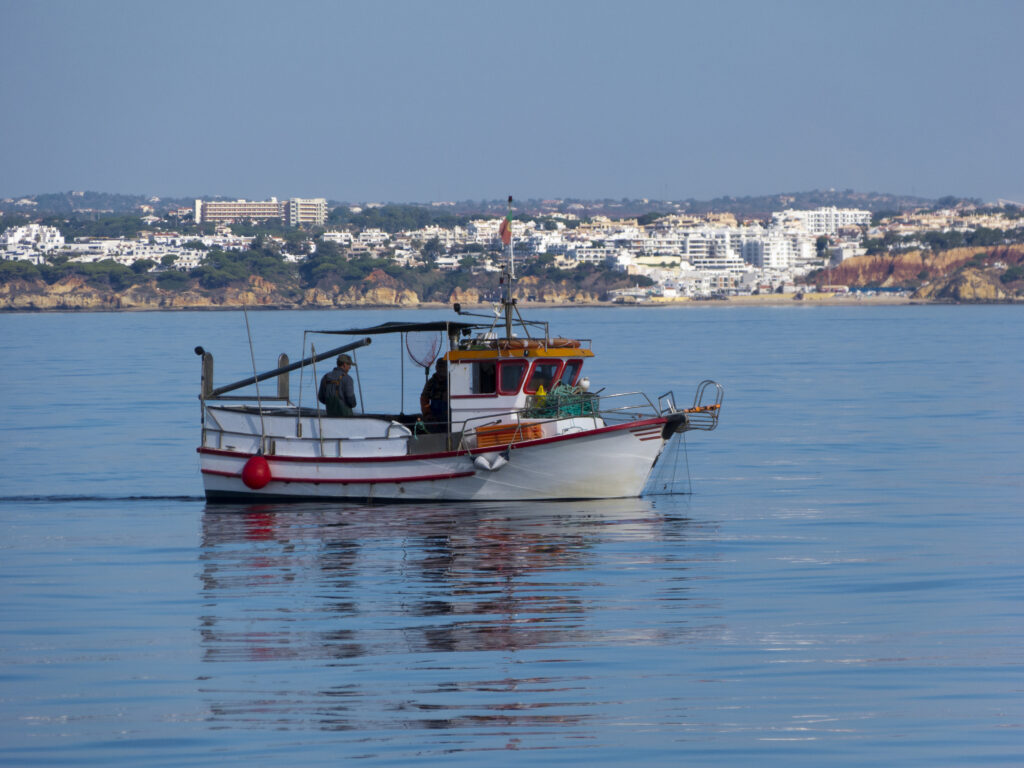
Portugal, another country facing similar pressures, has also recognized the need for stronger protections. Marsempre, a local organization, has been actively working to defend its fishing grounds and has successfully created a national marine park in Pedra do Valado. It continues to advocate for safeguards, such as extending the PAA for low-impact fishing vessels from six to eight nautical miles from the coast and banning bottom trawling.
These measures are not only environmentally crucial but also a lifeline for small-scale fishers, local food security, and coastal economies.
Written by urgent.news from Politico EU's reporting — not their text. Machine-written — may contain errors; check the original before relying on it.