Saudi Arabia approves additional 10,000 Hajj slots for Nigeria
Nigeria’s allocation for the 2027 Hajj has increased to 60,000 pilgrims following the approval of an additional 10,000 slots by the Saudi Arabian authorities. The National Hajj Commission of Nigeria (NAHCON) announced the development in a statement signed by its Head of Information and Publications, Shafii Sani Mohammed. The Commission said the increase was secured […] Saudi Arabia approves…
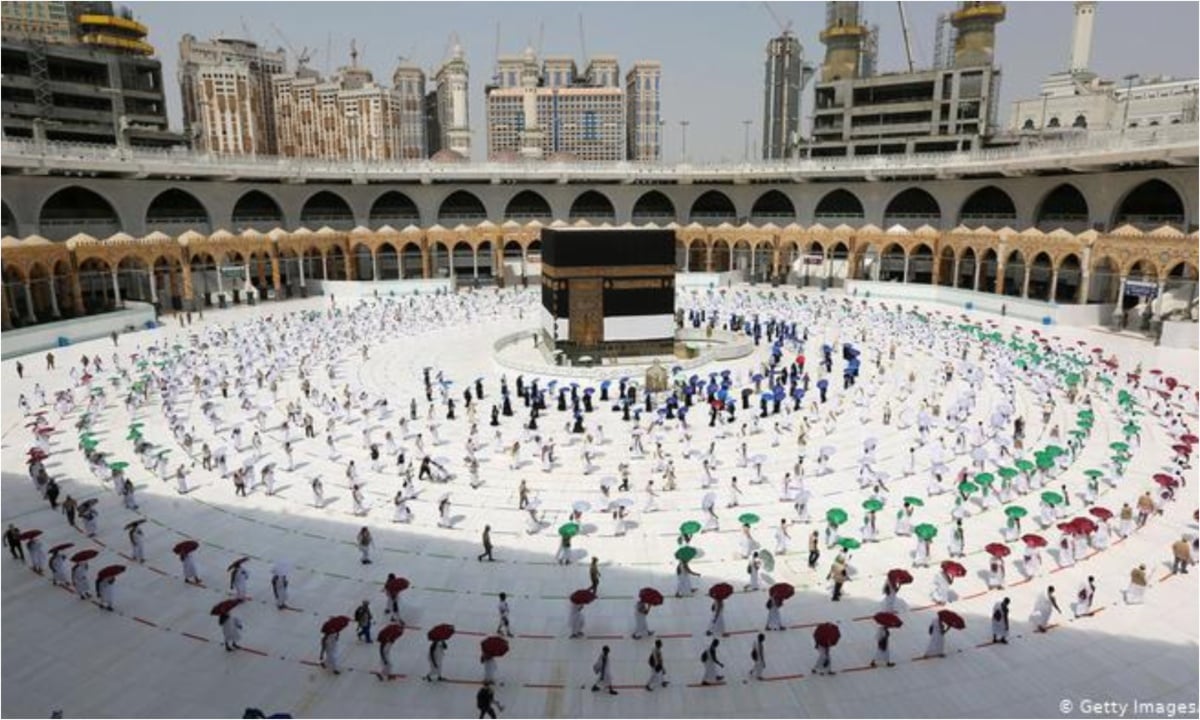
In a recent development, Saudi Arabian authorities have approved an additional 10,000 Hajj slots for Nigeria, raising the country's allocated pilgrims for the 2027 pilgrimage to 60,000. The National Hajj Commission of Nigeria (NAHCON) disclosed this news in a statement, crediting the increase to ongoing dialogues between the Nigerian Government and Saudi Arabian authorities.
According to the statement, 7,500 of the newly allocated slots will be distributed among state Muslim pilgrims' welfare boards, agencies, and commissions, while the remaining 2,500 will be reserved for seven lead tour operators. This brings Nigeria's total quota for the 2027 Hajj from the initial 50,000 to the current 60,000 pilgrims.
Ambassador Ismail Abba Yusuf, NAHCON Chairman and Chief Executive Officer, welcomed the development, stating it reflects the cooperation between Nigeria and Saudi Arabia in facilitating the annual pilgrimage for Nigerian Muslims. He also assured that the newly approved slots would be allocated fairly and managed in compliance with relevant laws and operational requirements of both nations.
Written by urgent.news from Daily Post Nigeria's reporting — not their text. Machine-written — may contain errors; check the original before relying on it.
This story
This is one outlet's version. Read the fullest account.
- Saudi Arabia provides $60 million to Yemen amid clashes with Houthis thenationalnews.com
- Saudi Arabia makes Hejazi coastal design mandatory for Jeddah's new homes and renovations gulfnews.com
- Saudi Arabia conducting joint investigation into Flydubai incident with UAE middleeasteye.net
- Saudi Arabia, EU discuss key trade challenges and barriers saudigazette.com.sa
- Saudi Arabia’s tourism growth boosts appeal for investors, expert says english.ajel.sa
- Saudi Arabia vows decisive response to security threats dailytimes.com.pk
- Stabbed Flydubai hero stable after transfer From Saudi Arabia israelnationalnews.com