Barapullah Phase 3 jam continues into Day 2, ambulances caught in traffic
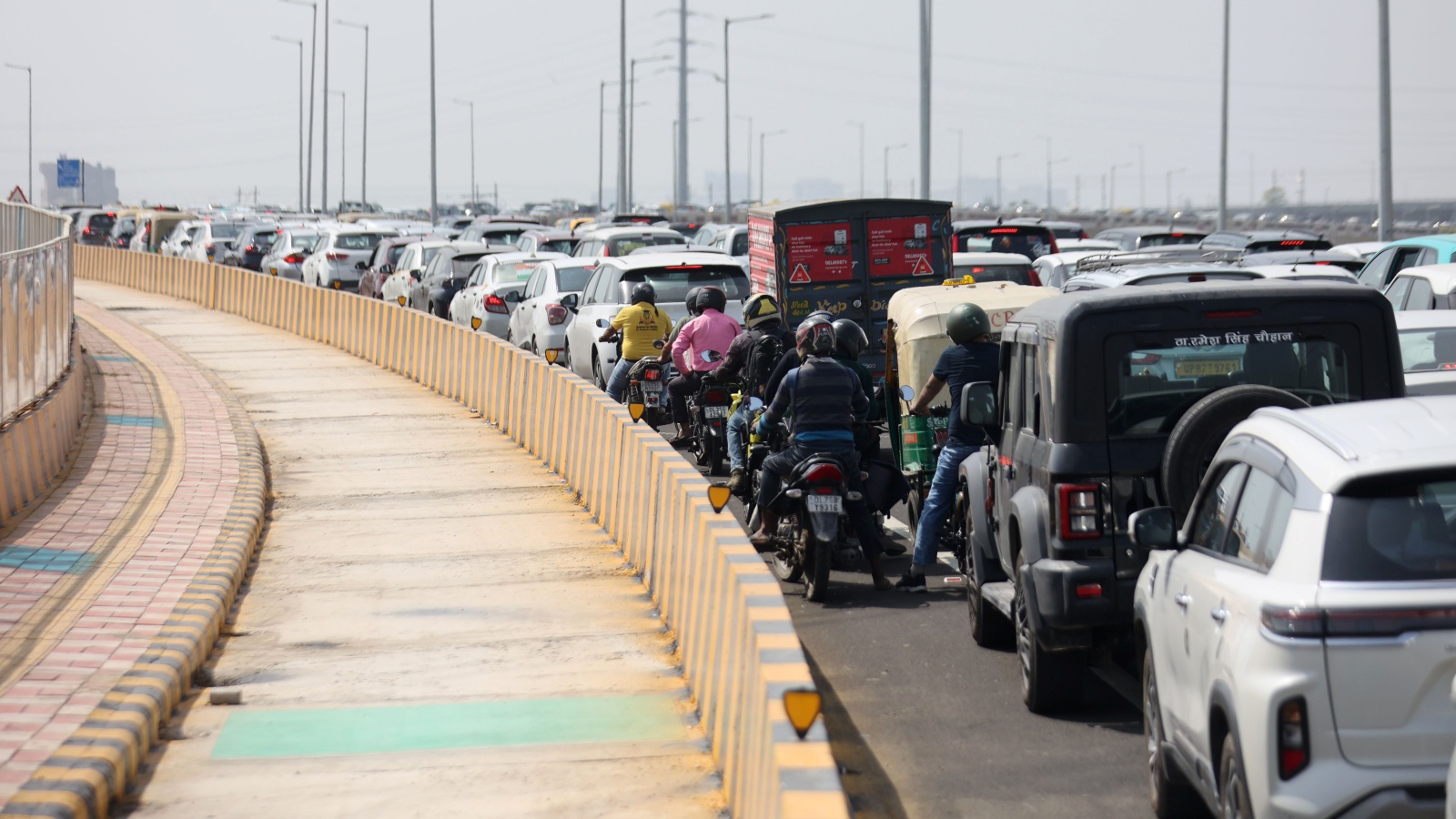
On Thursday evening, at least four ambulances were caught in heavy traffic on Barapullah Phase 3 flyover, as the recently opened corridor experienced its second day of severe congestion. Vehicles were struggling to navigate the bumper-to-bumper traffic while heading towards Sarai Kale Khan, with little space between cars for ambulances to pass.
The long-standing congestion on the flyover began on Thursday morning, partly due to the Mayur Vihar-Ashram lane being blocked, according to traffic officials. Motorists from this direction were forced to reverse and merge into the main lane, exacerbating the bottleneck. The worst congestion was reported near Sarai Kale Khan, where traffic from multiple directions intersected, causing long delays for commuters.
The newly-built flyover was intended to enhance connectivity between East and South Delhi and reduce travel times. However, the continuous congestion has frustrated motorists, with one traveler expressing frustration: "This is ridiculous. The traffic police should stop people entering the flyover until the cars on it are cleared to avoid the traffic." Despite the congestion, some motorists found the flyover to be a quicker route, even if it meant being stuck in traffic for half an hour.
Written by urgent.news from The Indian Express's reporting — not their text. Machine-written — may contain errors; check the original before relying on it.