Revenue surge, subsidy plans sit well with IMF
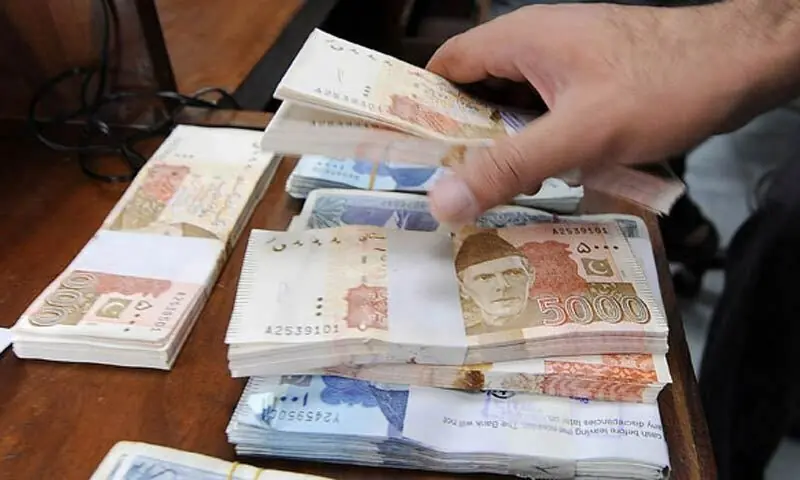
• Country exceeds first-quarter revenue target despite economic pressures • Plan to replace power subsidies with targeted BISP support reviewed ISLAMABAD: Robust revenue collection and preparedness to shift electricity subsidies entirely to the Benazir Income Support Programme (BISP) mechanism have placed Pakistan on a positive trajectory in ongoing talks with the International Monetary Fund…
Pakistan's economy surpassed its first-quarter revenue target despite facing economic challenges, according to an IMF mission led by Iva Petrova. The Federal Board of Revenue reported that Pakistan collected more revenue than anticipated, demonstrating resilience in the face of external pressures. The talks with IMF officials revealed that Pakistan exceeded its revenue target by a significant margin, a positive sign for ongoing IMF discussions.
Simultaneously, BISP authorities confirmed a planned increase in cash transfers, targeting a 25% boost, signaling a shift towards targeted subsidies. The IMF is pushing for the government to transition power sector subsidies from current consumer tariffs to a targeted BISP scorecard system by January 2027, adhering to a structural benchmark for the IMF.
The World Bank is assisting in linking power consumers to the national socioeconomic registry, with eligibility criteria expected by late November. Additionally, the government is considering operating the prime minister’s fuel subsidy through the BISP mechanism to protect vulnerable populations from volatile food and fuel prices.
However, the IMF is also monitoring the potential impact of tightening monetary policy by the State Bank of Pakistan to mitigate the effects of the US-Iran conflict on energy prices. Inflation, measured by the Consumer Price Index, reached 11% in August and is projected to remain between 10% and 11% in September. Despite these challenges, the economy showed signs of gradual recovery, with manufacturing activity bolstered by increased vehicle production and domestic cement dispatches.
The external sector demonstrated strength through robust workers' remittances and sustained growth in IT exports, narrowing the current account deficit. Fiscal performance remained supportive, with tax collection aligning closely with targets and recent data indicating a primary surplus. These developments collectively suggest that Pakistan's economy is gradually broadening its recovery, supporting various sectors of the economy and paving the way for sustained growth.
Written by urgent.news from Dawn Business's reporting — not their text. Machine-written — may contain errors; check the original before relying on it.
This story
This is one outlet's version. Read the fullest account.