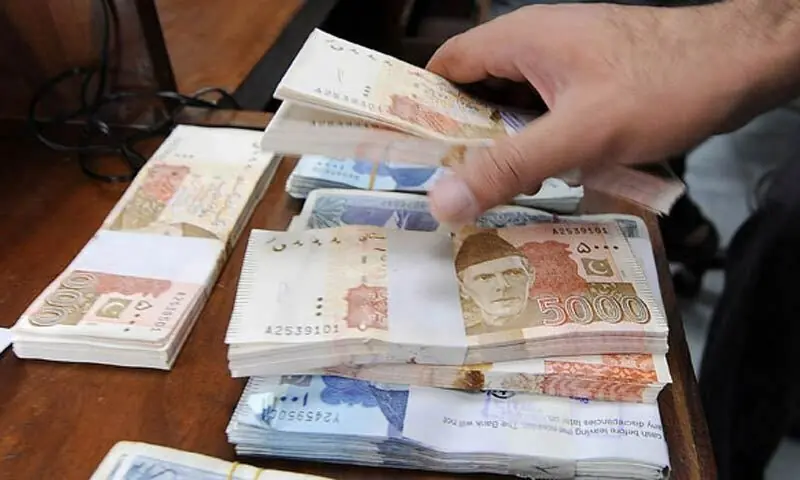
Revenue surge, subsidy plans sit well with IMF
• Country exceeds first-quarter revenue target despite economic pressures • Plan to replace power subsidies with targeted BISP support reviewed ISLAMABAD: Robust revenue collection and preparedness to shift electricity subsidies entirely to the Benazir Income Support Programme (BISP) mechanism have placed Pakistan on a positive trajectory in ongoing talks with the International Monetary Fund…
Pakistan's economy showed strength in the first quarter of 2027, surpassing its revenue target, according to sources familiar with the International Monetary Fund's (IMF) discussions. The country's robust financial performance, despite economic challenges, impressed IMF officials who concluded their talks on Wednesday with the Federal Board of Revenue (FBR).
The positive trajectory was further reinforced by plans to transition power subsidies to the Benazir Income Support Programme (BISP), as discussed with BISP authorities. The IMF mission, led by Iva Petrova, also reviewed the progress on increasing cash transfers under BISP by around 25pc. Transitioning power sector subsidies to targeted BISP disbursements by January 2027 is a key IMF structural benchmark, which the government aims to achieve by early 2027.
The World Bank is assisting Pakistan in linking power consumers to a national socioeconomic registry, with eligibility criteria expected by late November. The IMF is advocating for fuel subsidies to be administered through BISP. The government has committed to enhancing BISP's coverage and capacity to protect vulnerable populations from price volatility in food and fuel.
Inflation, measured by the consumer price index, exceeded 11pc in August and is projected to hover between 10pc and 11pc in September. The central bank maintained its policy rate at 11.5 per cent earlier this month. The Ministry of Finance highlighted that a higher import bill due to global oil price fluctuations remains the main risk to macroeconomic stabilization during the 2027 fiscal year.
Despite the challenges, the government reported positive developments in manufacturing, agriculture, workers' remittances, IT exports, and fiscal performance. The external sector showed encouraging progress, narrowing the current account deficit. Fiscal performance also remained supportive, with tax collection aligning with targets and a primary surplus.
These positive indicators suggest gradual progress towards fiscal and external stability while supporting economic activity.
Written by urgent.news from Dawn - Pakistan's reporting — not their text. Machine-written — may contain errors; check the original before relying on it.