NASA Telescope Careening Down to Earth After Failed Rescue Mission
It's not dead quite yet, but its days are counted. The post NASA Telescope Careening Down to Earth After Failed Rescue Mission appeared first on Futurism .
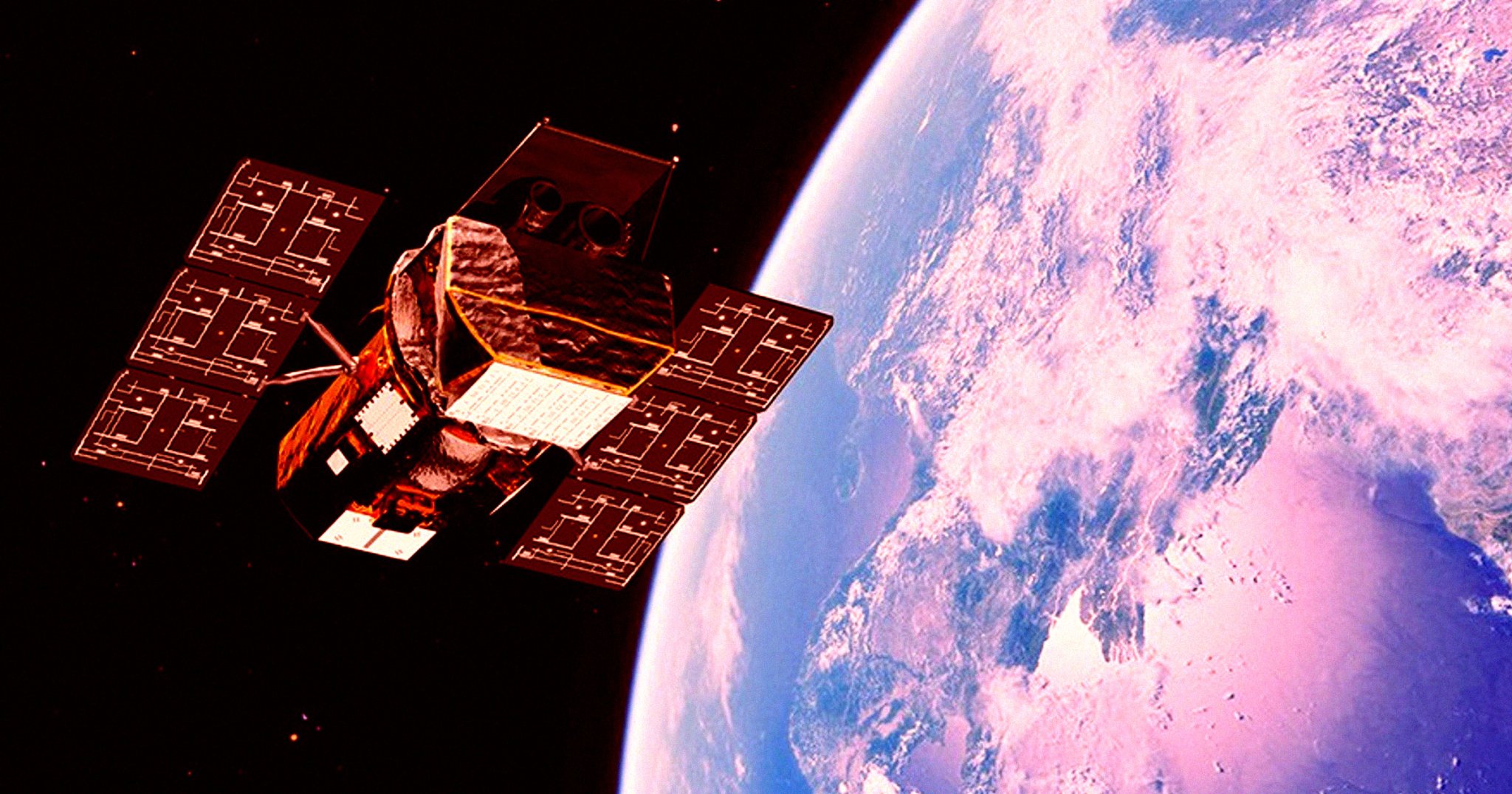
In a bold endeavor, NASA launched a specialized robotic spacecraft to give the aging Swift observatory a much-needed boost, but the mission quickly went awry. The robot began spinning uncontrollably, causing it to tumble back towards Earth and burn up in the atmosphere. Swift, which has been circling our planet for over two decades, is now expected to succumb to a similar fate due to its rapidly decaying orbit.
Currently, the space telescope is orbiting the Earth at approximately 200 miles high. By early to mid-October, it could dip below 185 miles, forcing NASA to terminate the mission. Despite this setback, NASA scientists have managed to eke out some life from the observatory. They have reactivated one of its three scientific instruments, the Burst Alert Telescope, which had been turned off in April due to power conservation during repositioning.
Additionally, the observatory is once again capable of automatically pointing its telescopes at new gamma ray bursts, the extremely high-energy flashes in space it was designed to study. However, this "return to science" has caused Swift to resume its rapid descent, leading to concerns about its imminent demise. Upon reentry through the atmosphere, the aging observatory and any debris could potentially pose a threat to anyone or anything in its path.
Fortunately, the risk of debris causing significant property damage or physical harm remains slim, with space tracking company LeoLabs predicting that most debris will likely fall into the ocean or on uninhabited land. Despite the ill-fated rescue mission, Katalyst Space Technologies, the contractor responsible for the spacecraft, remains optimistic that future spacecraft could have a different destiny.
Katalyst Space CEO Ghonhee Lee stated that while they did not achieve every objective, they made significant progress in a short span of time. Lee emphasized the importance of developing spacecraft capable of functioning beyond their initial mission, stating, "The future of space will require spacecraft that can do more once they get there."
Written by urgent.news from Futurism's reporting — not their text. Machine-written — may contain errors; check the original before relying on it.