Künstliche Intelligenz: „Wir stürzen in eine Welt, in der nur die Elite arbeitet“
Allison Pugh ist eine der wichtigsten Stimmen der US‑Soziologie. Sie warnt: Menschen verlieren ihre Würde, wenn KI alle Arbeit ersetzt. Künftig könnte vor allem eine Fähigkeit zählen.
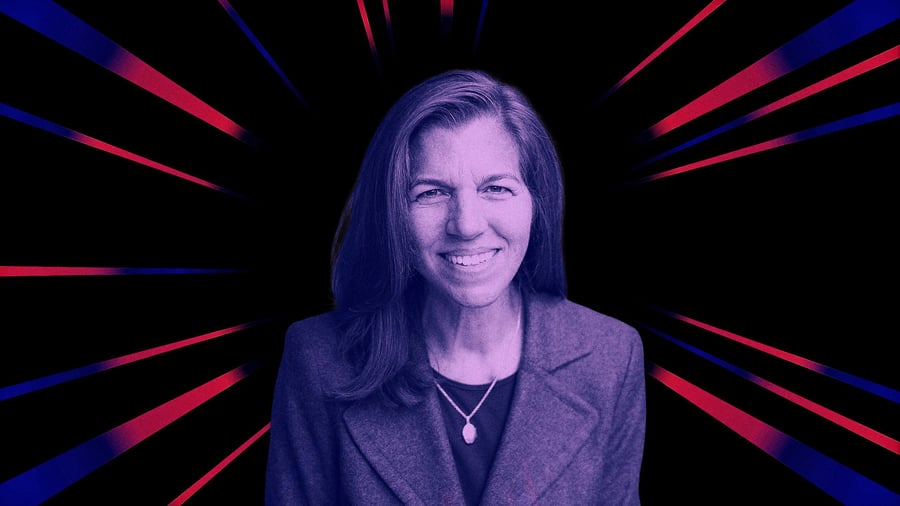
Allison Pugh, a sociologist at Johns-Hopkins University, is among the world's leading experts on the societal impacts of artificial intelligence. She contemplates the potential consequences of AI replacing human interaction, painting a bleak picture of societal disruption. According to Pugh, an AI-induced "tsunami" is rapidly approaching, but there are occasional glimmers of hope amidst this gloom.
For instance, a recent audience member recounted how a daughter asked her ChatGPT for advice, but still sought counsel from her mother, knowing she might provide a more nuanced perspective. Perhaps, Pugh believes, the importance of human connection in the economy could even rise in significance. Tech entrepreneurs like Mustafa Suleyman, CEO of Microsoft AI, assert that AI will take over most office jobs within a few years. But could a world without work truly be a beautiful one?
Written by urgent.news from Handelsblatt's reporting — not their text. Machine-written — may contain errors; check the original before relying on it.
This story
This is one outlet's version. Read the fullest account.