Is College Getting Less Safe for Women?
A lawsuit about an alleged gang rape at Cornell University and a Wired story about sexual cyberharassment reveal how campus rape culture and online misogyny are colliding.
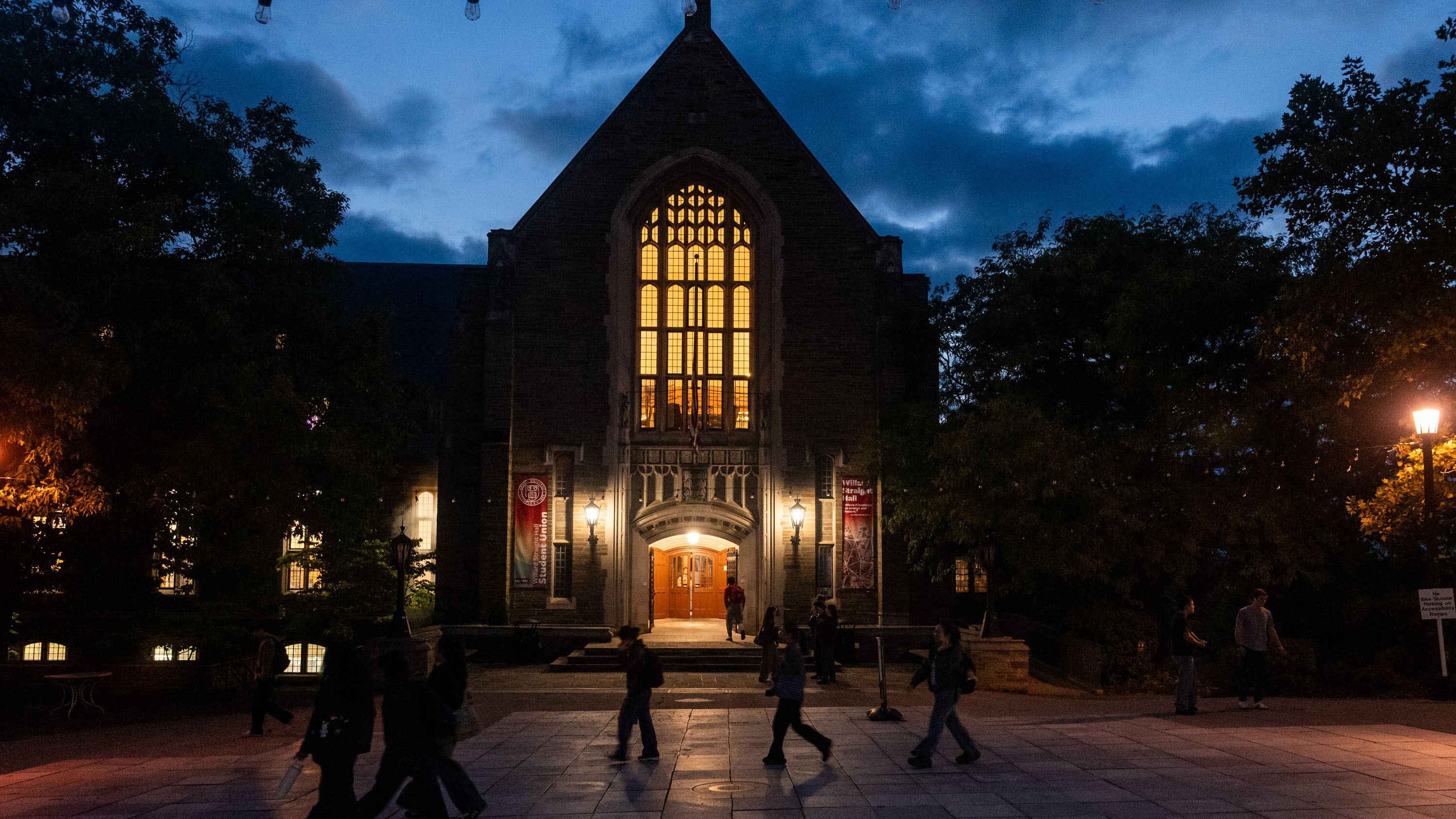
In 2024, a Cornell University female undergraduate reported that a group of men at a fraternity house propositioned her for a threesome while she was heavily intoxicated, allegedly drugging her with marijuana, high-proof liquor, and possibly ketamine. They forced her to engage in sex with multiple men over a seven-hour period, and one man allegedly slapped her, leaving bruises.
After the incident, the woman reported it to Cornell police, leading to the temporary suspension of seven men who were encouraged to mitigate their actions through essays or expulsion. No criminal charges were filed due to the lack of evidence of forced sexual activity, mental incapacitation, or unconsciousness at the time. The case has reignited discussions about Cornell's handling of sexual assault and the prevalence of rape culture on college campuses.
Cornell has faced similar allegations in the past, including fraternity-related incidents involving sexual assault and drug use. National data shows an increase in nonconsensual sexual contact involving force or incapacitation among female undergraduates, with some experts attributing this to the pervasive nature of rape culture on campuses.
Fraternities, in particular, have been identified as a factor in promoting a culture of sexual aggression and domination, with studies indicating a higher likelihood of sexual assault among fraternity members. Efforts to address campus sexual assault have largely focused on educating students on self-defense and bystander intervention, rather than challenging the underlying cultural attitudes that enable such behavior.
Written by urgent.news from The Atlantic's reporting — not their text. Machine-written — may contain errors; check the original before relying on it.