Hospitals Have a Little-Known Tool To Prevent Medical Debt. Here’s How It Works.
Getting financial assistance from hospitals often involves filling out cumbersome forms. Some states now require hospitals to identify and automatically enroll patients eligible for charity care.
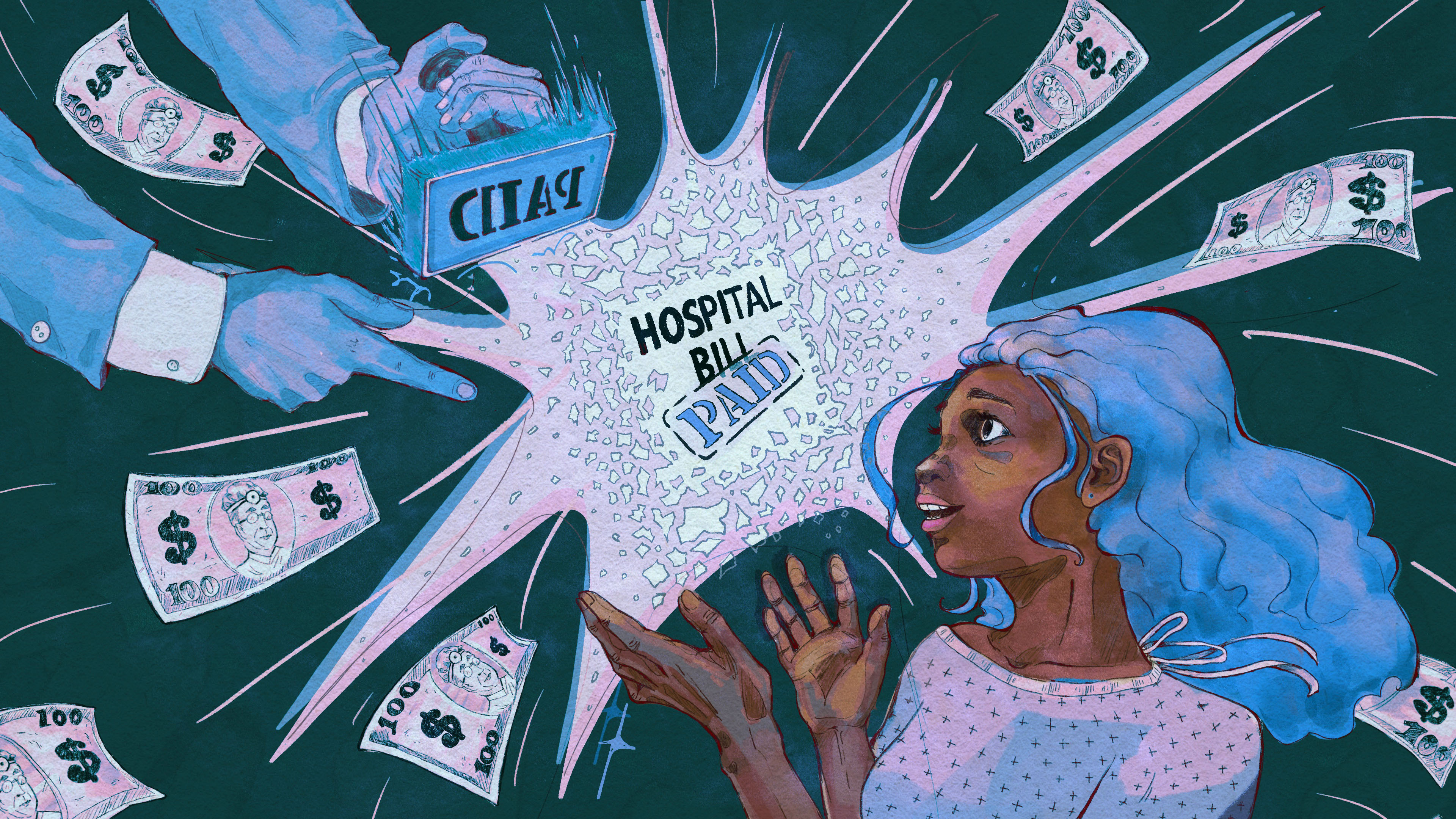
Medical debt is a growing problem in the United States, with hospitals billing patients for at least $2 billion that they likely didn't owe in a single year. However, there's a lesser-known tool hospitals use to prevent medical debt: financial assistance programs, also known as charity care. These programs offer free or discounted medical care to patients with very high medical debt or low incomes.
Despite this, many patients are unaware that hospitals offer financial help and complex application forms often deter others from seeking it. To address this issue, some states and hospitals are implementing "presumptive eligibility," a process that automatically screens patients to determine if they qualify for assistance and wipes out their debt before they receive any bills.
This approach is known as auto-enrollment and is designed to comply with regulations set by the Affordable Care Act, which requires hospitals to make reasonable efforts to find eligible patients before taking legal action or selling their debt to collection agencies. In the first year of implementation, about 70% of tax-exempt hospitals nationwide said they screened patients and proactively reduced bills, and as of 2022, this figure had risen to nearly 90%.
However, the eligibility criteria for auto-enrollment vary from state to state, with some states mandating hospitals to wipe out bills for low-income patients, while others have more stringent requirements. For instance, Maryland only wipes out bills for patients who are already receiving government help for housing, food, or prescriptions but are ineligible for Medicaid.
In summary, presumptive eligibility and auto-enrollment are innovative approaches hospitals are using to prevent medical debt, but the implementation of these programs varies widely across states and hospitals.
Written by urgent.news from KFF Health News's reporting — not their text. Machine-written — may contain errors; check the original before relying on it.