Greatest race: All eyes turn to the Arc this weekend
Can youngsters and fillies carry on winning in Paris?
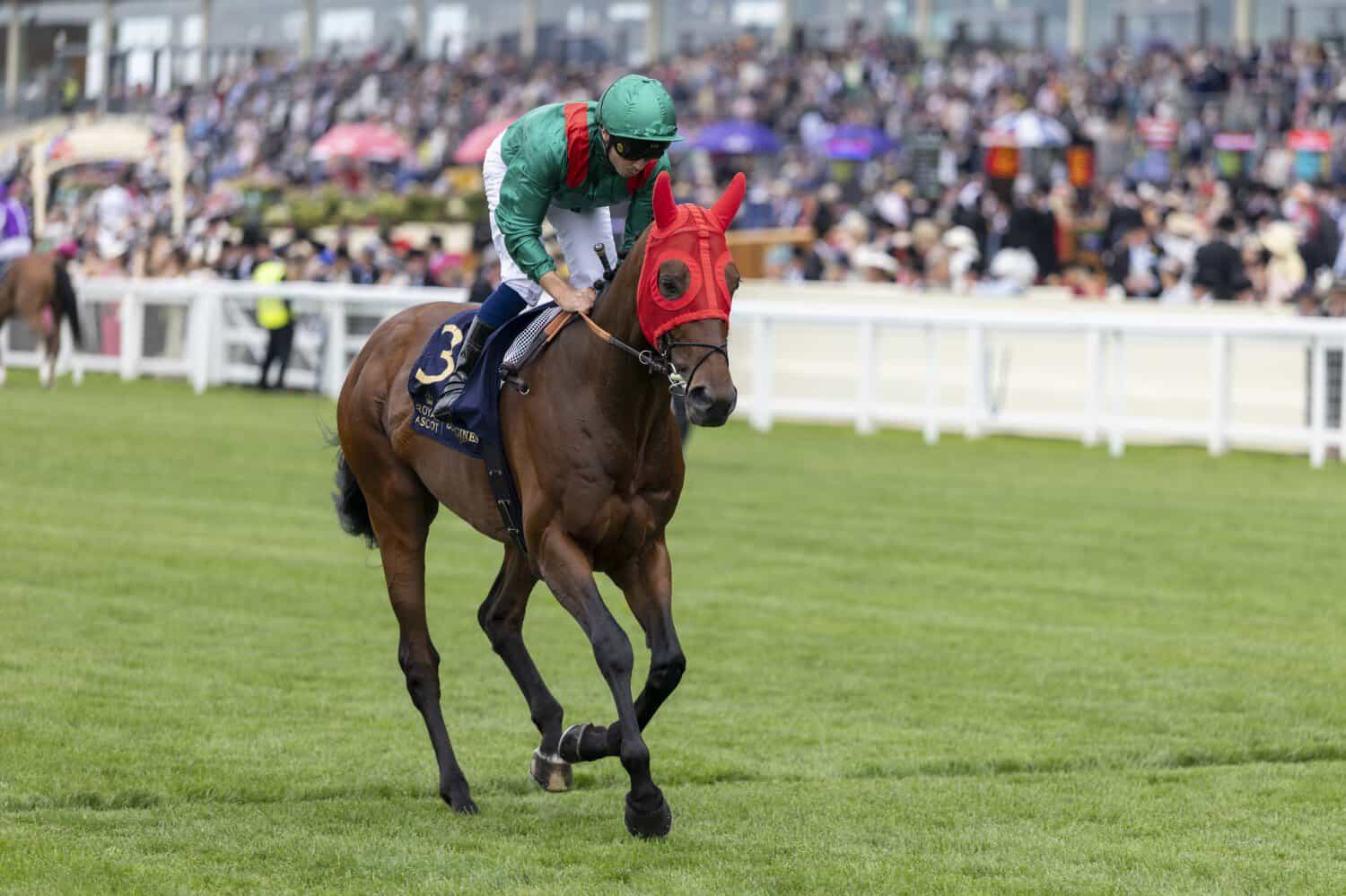
The Prix de l'Arc de Triomphe, often hailed as Europe's premier horse race and occasionally considered the world's greatest, generally remains a mystery to those outside the racing community. While the Kentucky Derby, Melbourne Cup, Grand National, and Dubai World Cup enjoy greater popularity, the Arc's allure is undeniable. The €5 million (R93 million) prize money is the highest in European racing, and the 2400m course at Longchamp is regarded as the ultimate test of speed, stamina, and acceleration.
First held in 1920, the Arc has grown into a prestigious global event, attracting top performers not only from Europe but also Japan. Since its inception, it has cemented its status as a benchmark for elite thoroughbred breeding, with many past winners transitioning into successful stud careers.
This weekend, France Galop is capitalizing on this by marketing the race as a "Festival of Nations," aiming to create an international atmosphere reminiscent of the World Cup. With broadcasts reaching over 60 countries, the Arc has become a spectacle that captivates racing enthusiasts worldwide. Longchamp's grandstands are filled each year by nearly 35,000 spectators, creating a unique and vibrant atmosphere.
For those considering placing a bet, historical trends can provide valuable insights. Over a century since its inception, certain patterns have consistently emerged. Youngsters have a significant advantage, with three-year-olds winning 20 out of 31 Arcs since 1994. Only nine five-year-olds or older have triumphed in the race's history, with the likes of Enable and Treve being notable exceptions.
While males have dominated the field, fillies and mares have also performed exceptionally well, winning 26 arcs in total and recently taking the lead with champions like Bluestocking (2024), Alpinista (2022), Enable (2017 and 2018), Found (2016), and Treve (2013 and 2014).
However, not every champion can replicate their success consecutively. A back-to-back win is rare, with the last male champion to do so being Alleged in 1978. Since then, no male horse has succeeded in winning the Arc twice in a row. Therefore, when assessing potential winners, it's crucial to evaluate their past performances, class, and stamina.
Proven class and speed are essential, with 11 of the last 12 Arc winners having previously won Group 1 races and 10 having at least one victory over 2400m. Nearly 90% of recent winners have claimed multiple Group 1 victories before competing in the Arc, underscoring the need for elite-level horses to succeed in this prestigious competition.
When it comes to odds, a single-digit price has proven beneficial. In fact, 22 of the last 30 Arc winners were priced at single digits. However, this rule does not apply uniformly. Weather conditions also play a role; in 2021, Torquator Tasso, a German raider, shocked the field at 80/1 when the track was muddy. Nonetheless, Sunday's forecast in Paris promises clear skies, which should work in favor of the defending champion, Daryz, according to trainer Francis Graffard, who considers him the ante-post favorite at 7-4.
Written by urgent.news from The Citizen's reporting — not their text. Machine-written — may contain errors; check the original before relying on it.