Google launches Project Suncatcher, a step towards AI data centers in space
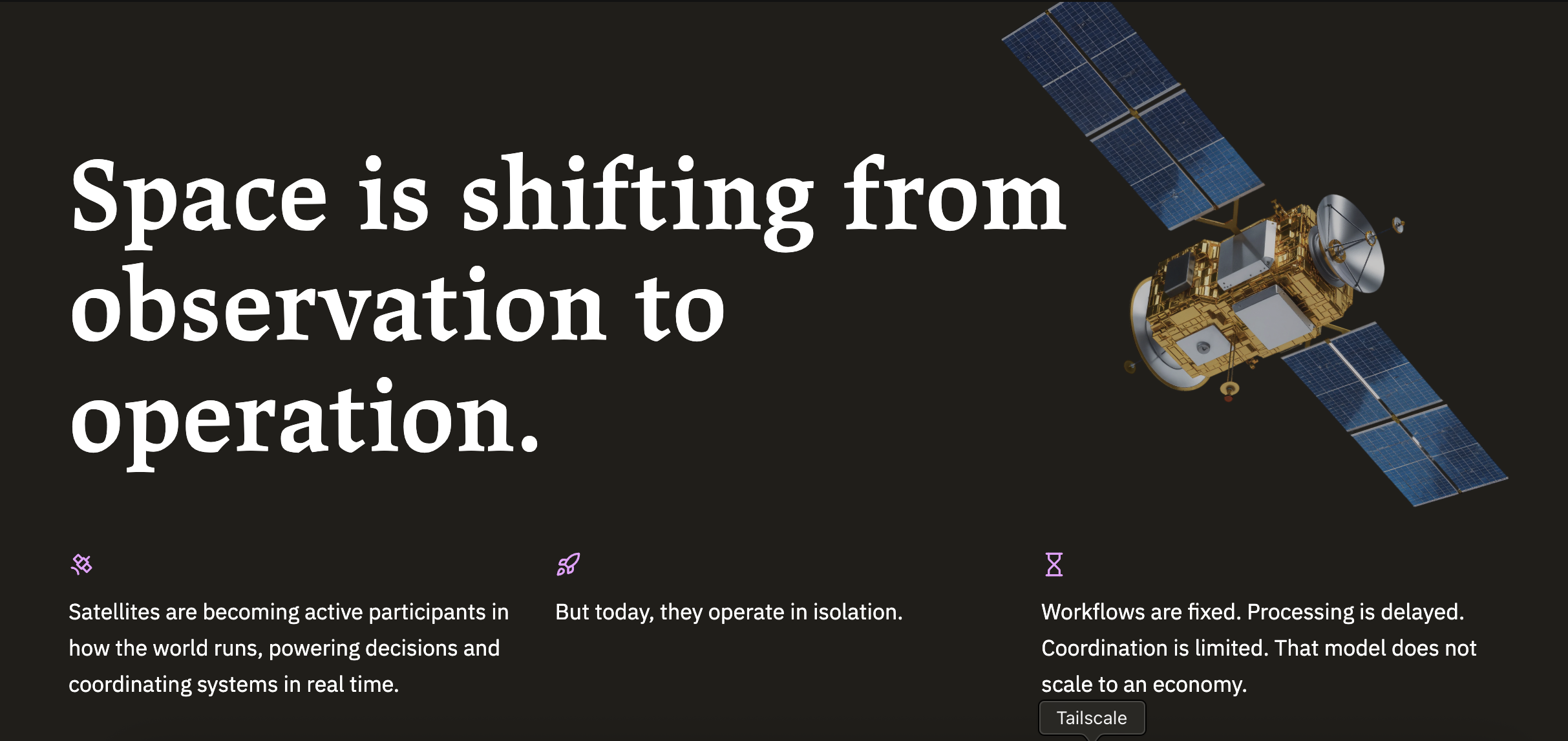
The fridge-size satellite with AI chips on board is part of Project Suncatcher, the company's moonshot effort to put AI data centers in space and harness solar energy.

Google has successfully launched Project Suncatcher, an experimental satellite carrying artificial intelligence chips, into low-Earth orbit on October 1. The satellite, equipped with Google's Tensor Processing Units (TPUs), aims to evaluate how these chips perform in the challenging space environment. The trial TPUs have already been tested under simulated solar radiation and cosmic rays at the University of California, Davis.
Google claims the chips handled the radiation "remarkably well," suggesting they could withstand more ionizing radiation than expected over five years in space. Alongside the chips, Project Suncatcher will also test a novel cooling system, crucial in space where there's no airflow to dissipate heat from the TPUs. While the project could provide a solution to the resource-intensive and politically unpopular terrestrial data centers, it also faces numerous engineering and cost challenges.
Astronomers have also expressed concerns about potential light pollution from orbital data centers. Google plans to launch another experimental satellite in 2027 to test communication between potential data centers via lasers.
Written by urgent.news from Scientific American's reporting — not their text. Machine-written — may contain errors; check the original before relying on it.
This story
This is one outlet's version. Read the fullest account.
- Google’s Project Suncatcher AI data center test has officially launched to space onboard SpaceX rocket scientificamerican.com
- Google is sending its first AI data center to space marketwatch.com