Francia busca limitar la subida de las pensiones y los salarios públicos en 2027
El Gobierno propone un presupuesto de austeridad para intentar calmar el nerviosismo de los mercados. Leer
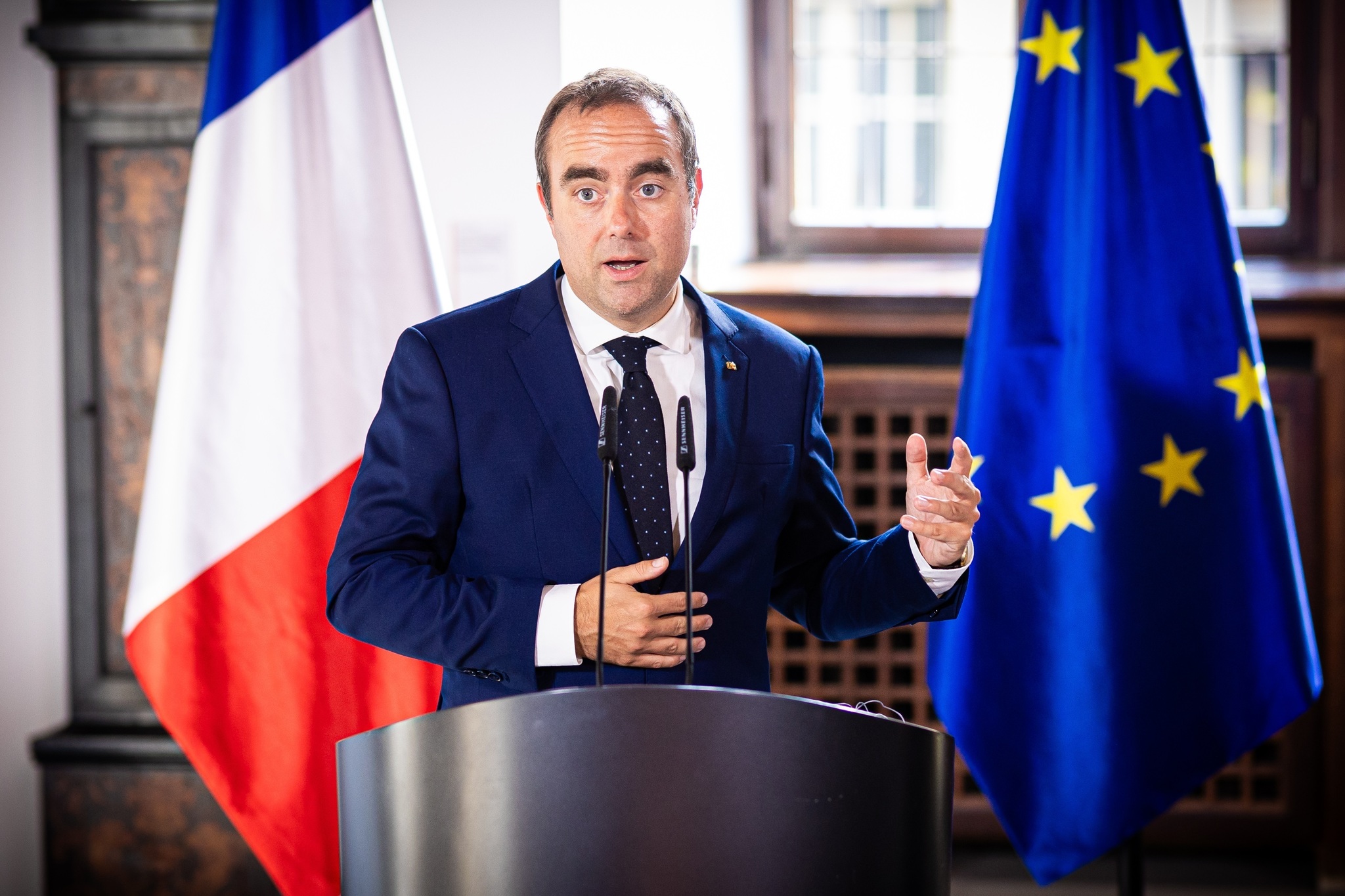
The French government unveiled a 2027 budget on Thursday, proposing cuts and tax increases totaling €43 billion, aiming to calm market concerns that have driven the country's financing costs to their highest level in nearly 25 years. Prime Minister Sebastien Lecornu's administration stated its goal is to bring the deficit down to 5% of GDP next year through public expenditure cuts, limiting pension and civil servant salary hikes, and raising taxes.
France's deficit is set to reach 5.4% of GDP this year, driven by deteriorating public finances that have pushed the country into higher borrowing costs than Italy and Greece. Minister of Finance Roland Lescure urged the government to steer France toward deficit reduction, warning that the traumatic year France experienced this year should not continue.
He called on Parliament to act urgently to address spiraling interest costs. Lescure argued that reducing the gap between France and other European countries and maintaining market confidence is crucial. Since 2024, political deadlock has hampered budget approval in an opposition-dominated Parliament: two of Lecornu's predecessors were dismissed by the opposition over their budget proposals.
Lecornu had to accept costly commitments to pass this year's budget, such as suspending a retirement age increase. The French 10-year bond yield reached 4.96% at the start of Thursday, its highest level since 2002, amid a global bond market slump exacerbated by investor concerns over the nation's fragile public finances. It subsequently fell to 4.85% in a volatile session.
Even if fully implemented, the budget would only slow the deterioration, warn ING analysts. Investors demand a premium over German 10-year bonds—a key indicator of investor concern—of around 1.3 percentage points, the highest since the eurozone debt crisis. The government forecasted French debt interest costs to rise to €62.6 billion this year, surpassing the total budget of the Ministry of Justice, and to €91.2 billion next year.
France spends more on interest than education or defense, with the most controversial proposals being the suspension of automatic pension increases linked to inflation for those earning more than €1,260 monthly and the elimination of the 10% tax deduction for professional expenses benefiting all pensioners. That deduction is absurd given that pensioners do not work, said Labor Minister Jean-Pierre Farandou, who added that pension changes would be debated with legislators.
However, it would be absurd for pensioners not to contribute to the collective effort alongside workers, he argued. Total pension spending will continue to rise due to an aging population, but the increase would be reduced by approximately €5.5 billion with these changes. Leaders of opposition parties such as far-right Marine Le Pen and far-left candidate Jean-Luc Melenchon have warned the government that any measure harming pensioners would be unacceptable.
However, Le Pen also indicated that approving an imperfect budget is necessary given the debt crisis scenario. The budget itself did not bring much new information, explains Aberdeen Investments fund manager Alex Everett. The most important thing will be the response of the National Rally (RN) and the ongoing debate in the French Parliament.
The government presented a total of €54 billion in budget cuts and tax revenues, but this includes measures already approved in previous budgets. National and local public spending cuts would represent about €14 billion in savings, according to the government, excluding defense spending. This will be Macron's last budget before the April 2027 presidential elections.
Le Pen leads polls for the first round and is expected to win the second round in several scenarios, especially if Melenchon advances to the second round. This confrontation is considered the worst scenario for markets. Macron, once a pro-business and growth-friendly reformer, will leave a legacy of increasing debt and ballooning deficits after applying unfunded tax cuts and delivering aid to households and businesses in successive crises, including the COVID-19 pandemic.
Macron reduced the general corporate tax rate from 33.3% in 2017 to 25% in 2025, but successive governments have reimposed temporary burdens on large companies, raising their combined rate to nearly 35%. Next year will be the fourth consecutive year France's deficit exceeds 5% of GDP, far above the EU's 3% limit. France has grown more slowly than its European peers this year, worsening the deficit due to a lower expected fiscal collection, although inflation has stayed slightly below that of its neighbors, providing relative relief for consumers.
Reducing the deficit is possible, Lescure said, adding that acting now could avoid hikes in taxes and drastic cuts.
Written by urgent.news from Expansion ES's reporting — not their text. Machine-written — may contain errors; check the original before relying on it.