Esscom focuses on protecting vulnerable groups from exploitation
KOTA KINABALU: The Eastern Sabah Security Command (Esscom) is stepping up efforts to protect undocumented and stateless communities from exploitation amid cross-border security threats.
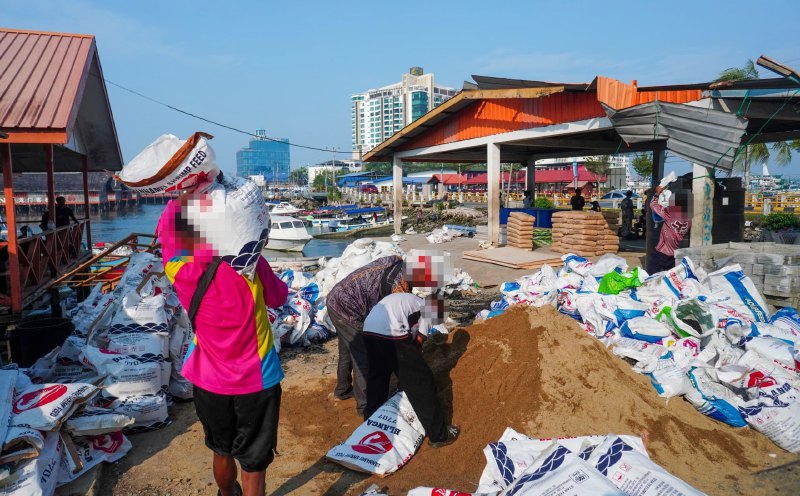
KOTA KINABALU: In response to cross-border security concerns, the Eastern Sabah Security Command (Esscom) is prioritizing the protection of undocumented and stateless groups, according to its commander Datuk Victor Sanjos. Limited documentation, restricted employment opportunities, and the location of certain communities in islands and coastal regions have created vulnerabilities for exploitation.
Women and children are identified as needing special attention in this regard, according to Victor, speaking to the New Straits Times. Esscom's strategy involves verifying individuals' identities and statuses to separate victims of exploitation, those needing protection, and suspected offenders. Any information regarding human trafficking, forced labor, smuggling, or syndicate activities will be assessed and, if necessary, shared with relevant agencies for further action.
Meanwhile, social issues related to documentation, welfare, and social protection are handled by various government agencies, necessitating inter-agency cooperation and fact-based decision-making. On Wednesday, the New Straits Times reported on undocumented Bajau Laut youths in Semporna being subjected to exploitative labor practices.
Associate Professor Wan Shawaluddin Wan Hassan, a lecturer at Universiti Malaysia Sabah, attributed this issue to the impact of heightened maritime security, marine conservation restrictions, and dwindling marine resources, which limit the Bajau Laut's ability to fish and traverse their traditional territories. Following the 2013 Lahad Datu incident, maritime security measures in Malaysia, the Philippines, and Indonesia have further restricted the movement and sustenance-seeking activities of the Bajau Laut.
Victor emphasized the importance of a community-based approach in safeguarding vulnerable groups, particularly in island and coastal regions. He noted that local communities can function as strategic allies, assisting authorities in identifying suspicious activities and safeguarding at-risk populations. They serve as Esscom's mobile intelligence network, especially in areas that are challenging for regular law enforcement to monitor.
Written by urgent.news from New Straits Times's reporting — not their text. Machine-written — may contain errors; check the original before relying on it.