Don’t Miss Saturn in All its Glory This Weekend
And the Orionids later in the month The post Don’t Miss Saturn in All its Glory This Weekend appeared first on Nautilus .
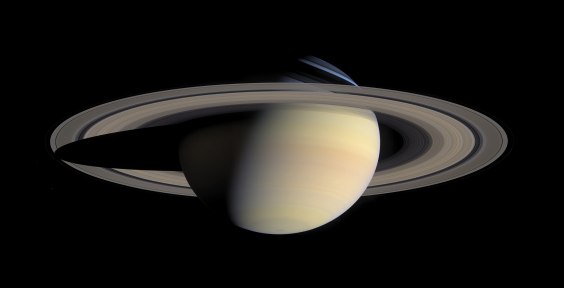
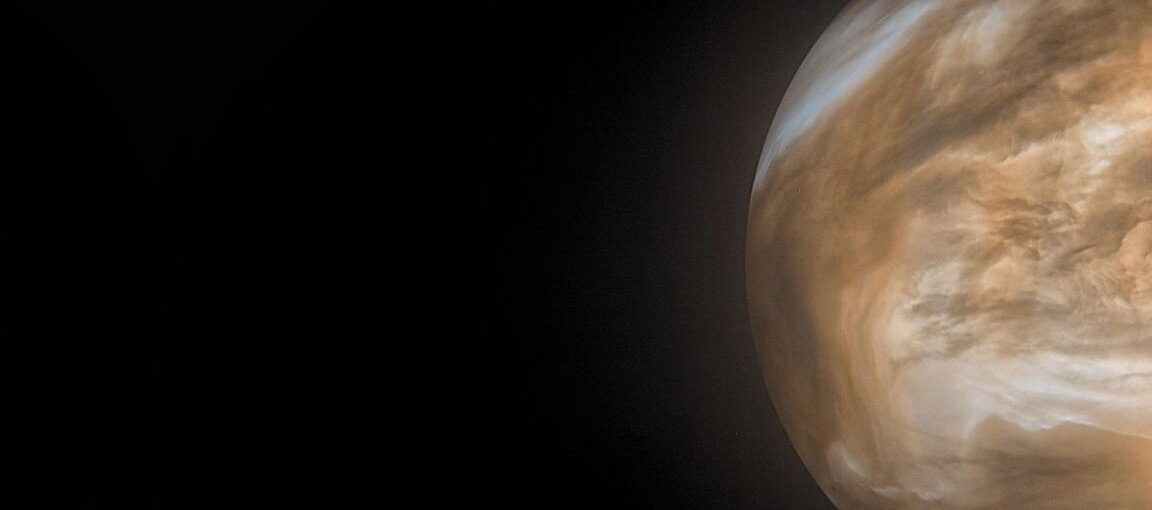
This weekend, skywatchers have a rare opportunity to marvel at Saturn in all its glory. As the crisp autumn air sets in and the leaves turn, the night sky promises a spectacular celestial event. This October, Saturn will be at its brightest, an event that occurs when our planet Earth finds itself directly between Saturn and the sun. This opposition places Saturn at its brightest point for the year, making it a must-see for both amateur stargazers and seasoned astronomers.
The ringed planet will be visible in the southeastern sky, approximately 20 degrees above the horizon. While it's possible to spot Saturn with the naked eye, a telescope, even a modest 25x one, is highly recommended. Without a telescope, the majestic rings of Saturn may go unnoticed. However, with assistance from a telescope, viewers can truly appreciate the full beauty of Saturn's rings.
Even though the rings won't be fully tilted towards us, a keen eye may still be able to discern the Cassini Division, the gap that separates the widest A and B rings.
Apart from Saturn, stargazers should also be on the lookout for the Orionid meteor shower, another celestial spectacle that promises to dazzle. This meteor shower peaks around the night of Wednesday, October 21st, into the early morning of Thursday, October 22nd. Named after the constellation Orion, where they appear to originate, the Orionids are actually tiny particles from Halley’s Comet, which our planet passes through, causing them to burn up in the Earth's atmosphere and create a breathtaking display of shooting stars.
To enjoy this meteor shower, head to a dark area, preferably an open field, and bring a blanket. The moon will be a waxing gibbous during this period, so the best viewing time will be after it sets in the predawn hours. While a telescope is not necessary for viewing the Orionid meteor shower, a dark sky is essential to witness this enchanting light show.
Written by urgent.news from Nautilus's reporting — not their text. Machine-written — may contain errors; check the original before relying on it.