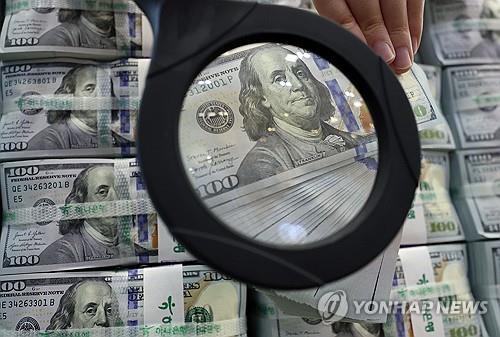
Dollar gets lift from higher yields
SINGAPORE: The dollar held near a two-month high on Thursday , supported by an extended rise in US Treasury yields partly driven by concerns over persistent global price pressures stemming from the Middle East war. Data showing US inflation rose less than expected in August, along with downward revisions to July’s reading, reduced expectations for a Federal Reserve rate hike this month . But a…

The U.S. dollar gained traction on Thursday, reaching a two-month high, bolstered by a series of factors including an extended surge in U.S. Treasury yields. This upward trend in yields was partly attributed to concerns about persistent global price pressures originating from the Middle East conflict. In August, U.S. inflation data revealed a lower-than-anticipated increase, coupled with revisions downward for the July reading.
Consequently, market expectations for a Federal Reserve rate hike this month diminished. However, the euro experienced a marginal decline against the dollar, settling at $1.1330, marking its largest loss in September since July 2025. This downward movement was largely driven by mounting concerns over debt and energy issues in Europe.
Meanwhile, the British pound remained unchanged at $1.3264, having slipped by 2.1% the previous month, similarly buoyed by a stronger U.S. dollar. The dollar was hovering near a two-month pinnacle against a basket of currencies, marking a 2% increase in September. According to Ray Attrill, the head of FX strategy at National Australia Bank, there is some solace drawn from the U.S. Personal Consumption Expenditures (PCE) figures, which have prompted the market to temper its expectations for consecutive Federal Reserve rate hikes.
Nevertheless, Attrill suggests that the dollar may still face further increases. Global bonds faced their largest monthly decline in years in September, leading to a surge in yields, fueled by deteriorating government finances, an oversupply of issuances, and rising inflation. These factors prompted a slight decrease in shorter-dated U.S. Treasury yields, yet the 10- and 30-year yields still achieved new highs overnight.
The Japanese yen witnessed a 0.2% drop to 157.82 per dollar, yet it still showed a 1.5% gain compared to the previous month. Kit Juckes, the chief FX strategist at Societe Generale, noted that the yen has been the most resilient among the G10 currencies in September, and market hesitation to be caught off guard by potential interventions poses a significant challenge.
In Australia, the local currency plummeted to a two-month low of $0.6940, as investors adjusted their expectations for a near-term rate hike from the Reserve Bank of Australia following slightly lower-than-forecast domestic inflation. Similarly, the New Zealand dollar languished near its lowest point since November 2025, settling at $0.5636.
Written by urgent.news from Business Recorder's reporting — not their text. Machine-written — may contain errors; check the original before relying on it.
This story
This is one outlet's version. Read the fullest account.
- The New Zealand Dollar edges lower as US yields outweigh China's beats fxstreet.com
- Dollar gets lift from higher yields investing.com