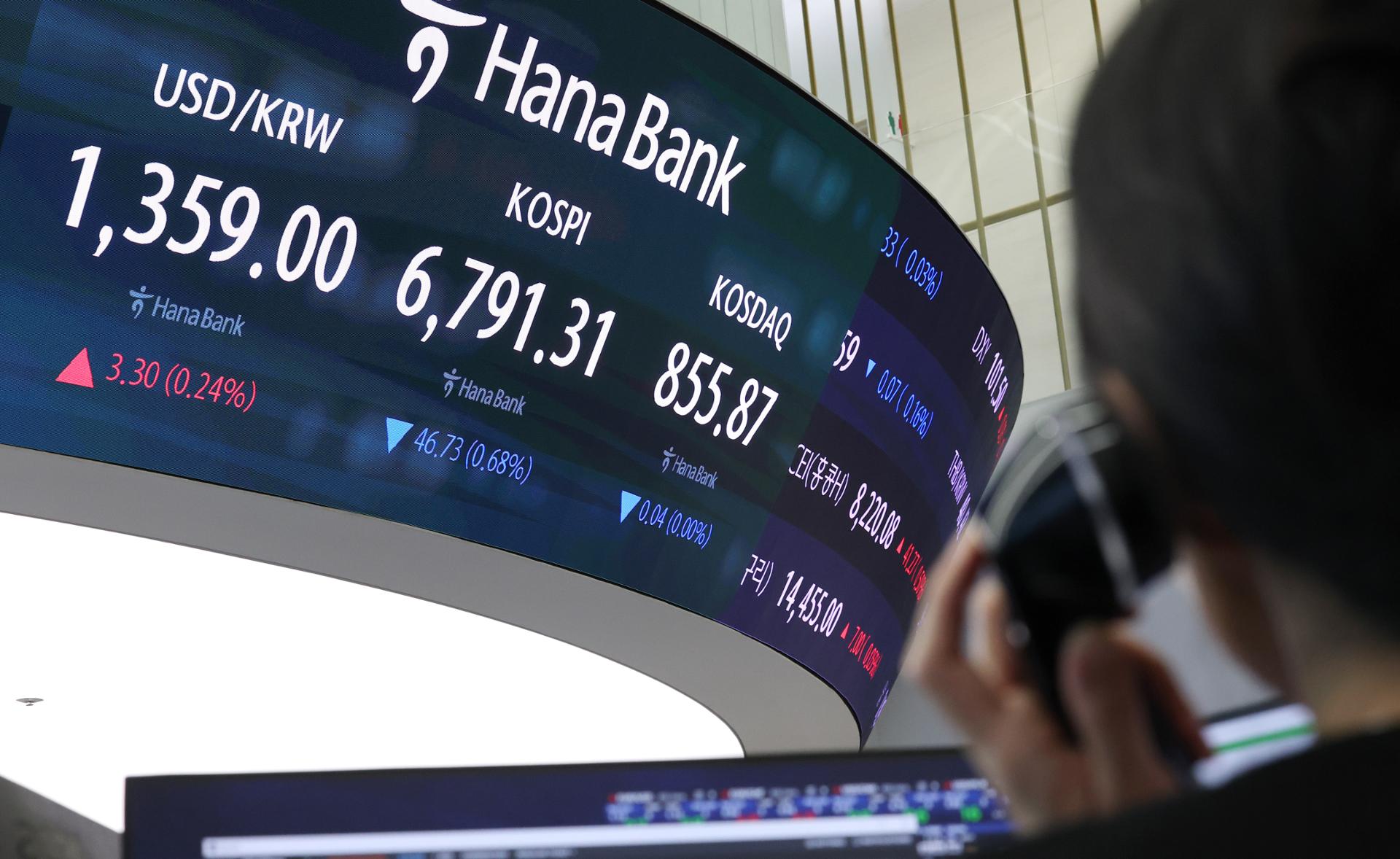
Dollar gets lift from higher yields
The US dollar reached near a two-month high on Thursday, bolstered by a continuous increase in US Treasury yields, partly due to worries about ongoing global price pressures originating from the Middle East conflict. A surprisingly modest rise in US inflation in August, coupled with revised figures for July, diminished forecasts for a Federal Reserve rate increase this month.
Meanwhile, the euro experienced a minor decline against the dollar, settling at $1.1330 early in the Asian trading session, marking its worst performance since July 2025 due to escalating concerns over debt and energy issues in Europe. The British pound remained steady at $1.3264 following a 2.1% drop last month, similarly undermined by a stronger dollar.
The dollar was close to a two-month peak against a basket of currencies, having risen 2% in September, according to Reuters.
Ray Attrill, the head of FX strategy at National Australia Bank, noted some reassurance from US PCE (Personal Consumption Expenditures) data, suggesting the market has tempered its expectations for consecutive Federal Reserve interest hikes. However, he also cautioned that this may not preclude further rate increases. The sensitivity of the US dollar to movements in 10-year Treasury yields appears greater than its reaction to anticipations of the next Fed rate increase.
In September, global bonds experienced their largest monthly decline in years, driving up yields as a combination of deteriorating government finances, an abundance of issuances, and rising inflation compounded. Despite shorter-dated US Treasury yields slightly decreasing, both 10- and 30-year yields achieved new highs overnight.
The Japanese yen weakened by 0.2% to 157.82 per dollar, yet it rose nearly 1.5% in the previous month. The yen was the strongest among the G10 currencies in September, and the market's wariness of potential intervention affects its performance. Some Bank of Japan officials expressed the need for more aggressive interest rate hikes or to align them closer with the central bank's objectives, as indicated by a summary of opinions at their September meeting.
The Australian dollar hit a two-month low of $0.6940, with investors extending odds of another rate hike by the Reserve Bank of Australia amid slightly lower-than-expected domestic inflation. The New Zealand dollar hovered near its lowest level since November 2025, settling at $0.5636.
Written by urgent.news from Investing.com's reporting — not their text. Machine-written — may contain errors; check the original before relying on it.
This story
This is one outlet's version. Read the fullest account.