Consumer Protection Cooperation Network launches coordinated actions against nine companies on in-game currency
On 30 September 2026, the Consumer Protection Cooperation (CPC) Network launched coordinated actions against nine video games companies. Read more
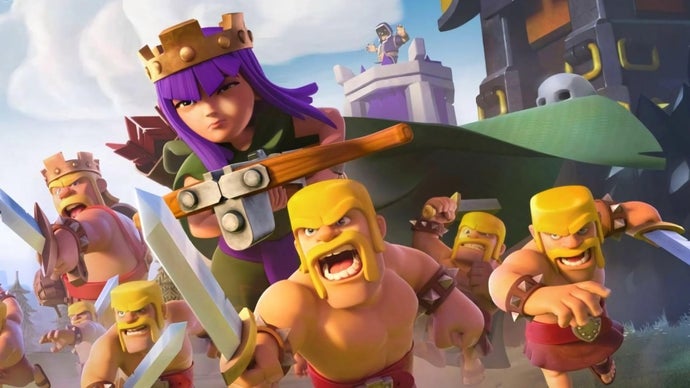
On September 30th, 2026, the Consumer Protection Cooperation (CPC) Network took coordinated actions against nine video game companies for in-game currency monetisation. The companies targeted were Hunt: Showdown 1896, Forge of Empires, Candy Crush Saga, Minecraft, Mech Arena, Gardenscapes, PLR Worldwide Sales, Valorant, Clash of Clans, and For Honor.
The CPC Network is enforcing the European Union's Key Principles on in-game virtual currencies, which require prices to be shown in real-world currency and consumer protection laws to apply as if real money were spent. This action also includes a coordinated effort with Activision Blizzard UK Limited over Diablo Immortal and Call of Duty Mobile.
The CPC Network's primary concern is the monetisation of games through in-game currency and micro-transactions. In 2025, the network had a dialogue with the video games industry to align with the Key Principles, but this was deemed unsatisfactory by the CPC Network. The network asserts that consumer protection laws should apply as if real money were spent, even though assigning a real-world currency value to in-game currencies can be challenging, especially when prices vary based on bundle size or in-game currency can be earned through gameplay.
The European Game Developer Federation's managing director, Jari-Pekka Kaleva, expressed concern about the CPC Network's approach, stating it is "unfortunate" that the network was not ready to develop further industry proposals that keep the nature of in-game currencies transparent. A legal perspective suggests that EU law prohibits misleading commercial practices, which can be used to fight aggressive monetisation in games, but the CPC Network's claims extend beyond permissible limits.
The European Commission supports the CPC Network's actions, but this appears inconsistent with other EU initiatives, such as the proposed EU KIDS Act and Digital Fairness Act.
Written by urgent.news from GamesIndustry's reporting — not their text. Machine-written — may contain errors; check the original before relying on it.