Australia records first detections of 'devastating' plant disease
Monosporascus cannonballus is detected on two NT properties, marking the first cases in Australia.
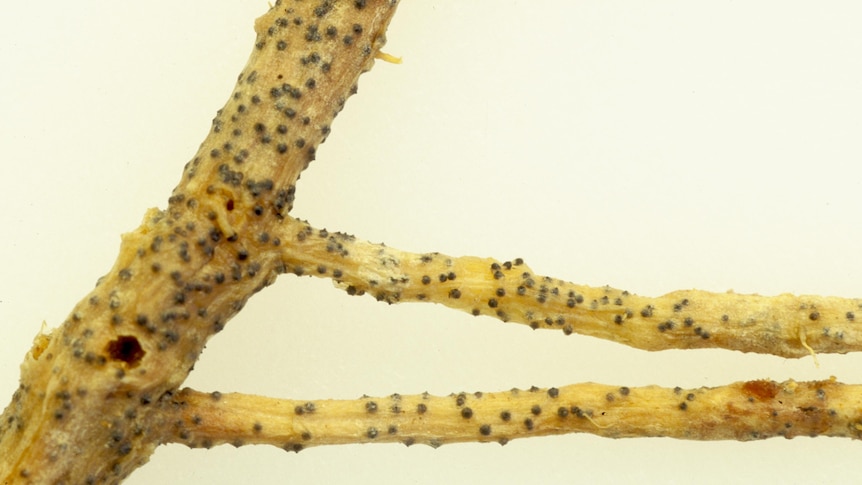
Australia has recorded the first detections of a devastating plant disease caused by the soil-borne fungus Monosporascus cannonballus, affecting crops such as melons and cucumbers. The NT Department of Agriculture and Fisheries is working with industry groups to help growers manage the disease, but it cannot be eradicated. The fungus was found in cucurbit plants, including pumpkins, squash, melons, cucumbers, and gourds, in the Darwin and Katherine regions.
Dr Sally Heaton, NT Chief Plant Health Officer, stated that once the fungus infects a crop, it can lead to the rapid destruction of mature plants. The disease has been detected in multiple countries, including the US, India, Taiwan, Japan, and parts of Europe and the Middle East. Dr Heaton explained that the fungus causes plants to appear as though cannonballs are erupting out of their roots.
Johnathon Davey, CEO of Melons Australia, expressed concern over the discovery and the significant loss it is causing for affected NT growers. He emphasized the need for growers to work together to manage the spread of the fungus and the potential increase in production costs. Davey noted that providing fresh melons for Australian consumers would become more challenging due to the incursion, leading to higher management costs.
The NT authorities are not planning to impose biosecurity restrictions but advised farmers to maintain their own biosecurity measures. Dr Heaton emphasized that the department would collaborate with industry groups to assist growers in dealing with the disease.
Written by urgent.news from ABC News AU's reporting — not their text. Machine-written — may contain errors; check the original before relying on it.