Ancient Pocket Change Reveals Special Status of Rome’s “Little Englanders”
These pilgrims didn’t have to secure travel money The post Ancient Pocket Change Reveals Special Status of Rome’s “Little Englanders” appeared first on Nautilus .
In 2020, archaeologists began excavating the Palazzo della Rovere's walled garden, uncovering the ruins of Emperor Nero's theater in 2023. The most recent discovery, however, has provided a fascinating insight into Medieval Rome's "Little England" community. The Schola Saxonum, also referred to as "Wee Britain," was a settlement of Anglo-Saxons living and working in Rome during the 10th century.
"Before this big discovery, we never had any material remains of the English quarter in Rome," Francesca Tinti of the University of Cambridge noted, expressing her excitement about the find. Tinti and her collaborator Rory Naismith detailed the findings in a chapter of the book Rome and the Others (300-1000): Foreigners in the City Between Conflicts and Integration.
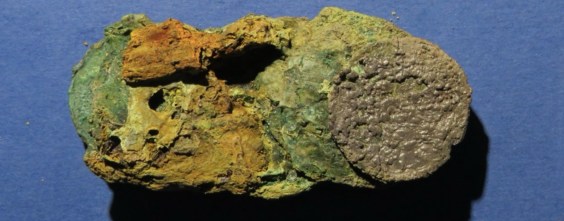
The excavations yielded 20 coins, including 19 silver pennies and one halfpenny minted over a span of roughly 40 years. The coins were discovered in various locations, most notably in garbage pits, with several fusing together after millennia of burial. Naismith remarked that the coins were unimpressive, but they carried significant meaning. More Anglo-Saxon coins from this period have been found in Rome than papal coins, suggesting a substantial amount of money flowed from England during this time.
The team's interpretation of the coin distribution – clusters rather than one large cache – indicates they were likely used in trade. Foreigners visiting Rome required papal currency, but Anglo-Saxons in the Schola Saxonum received special dispensation from the pope to use their own coinage. The halfpenny, in particular, pointed towards trade currency due to its low denomination.
Archaeologists also found evidence of leather, bone, and metal-working materials at the site, indicating that the quarter functioned as a thriving mercantile center. Anglo-Saxons in Rome were both visitors and residents, with hundreds likely residing along the Tiber River to make the most of their privileged status.
Written by urgent.news from Nautilus's reporting — not their text. Machine-written — may contain errors; check the original before relying on it.