Airbnb by-law doesn’t do enough to address Cape Town’s housing crisis
Only primary residences should be allowed on Airbnb
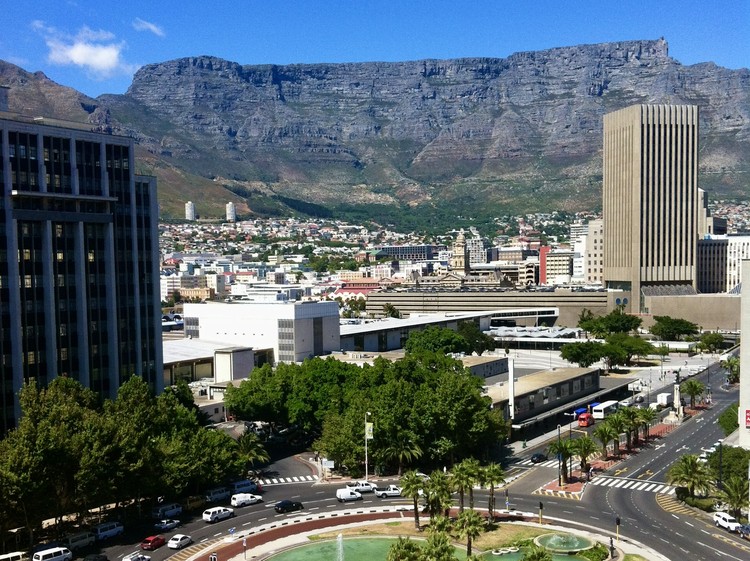
The City of Cape Town claims that our housing crisis is caused by a lack of supply, promising 14,000 affordable homes, yet these homes remain unfunded and unbuilt. Approximately 23,000 existing homes could be used for long-term rentals, but instead, they are listed on Airbnb. This issue is not addressed in the draft Short-Term Letting By-law, which proposes commercial rates for properties used for more than half the year.
About 84% of Cape Town's Airbnb listings are entire dwellings, a far cry from the platform's original purpose of spare rooms or backyard cottages. Stricter regulation does not have to come at the expense of jobs; according to Anton Gillis, hotels use a high staff-to-guest ratio to create employment, unlike short-term rentals. However, Airbnb listings are often concentrated in certain areas and skew towards higher-end properties.
This concentration leads to a phenomenon called downraiding, where tenants are displaced from one area to another, pushing precarious residents further away from work and amenities. The City's draft by-law does have some useful elements, such as registration and data-sharing requirements, but it falls short of addressing the downraiding effect on long-term stability and tenure.
A primary-residence requirement, along with registration, platform data-sharing, and accountability, is the most effective approach for protecting long-term housing, according to Inside Airbnb. Implementing this requirement alongside other responsible policies, such as building promised homes, releasing public land for social housing, and instituting rent stabilization, can help make life easier and more affordable for locals.
Written by urgent.news from GroundUp's reporting — not their text. Machine-written — may contain errors; check the original before relying on it.