A Space-Launch Crash Is Coming
What happens after SpaceX’s most popular vehicle leaves the market?
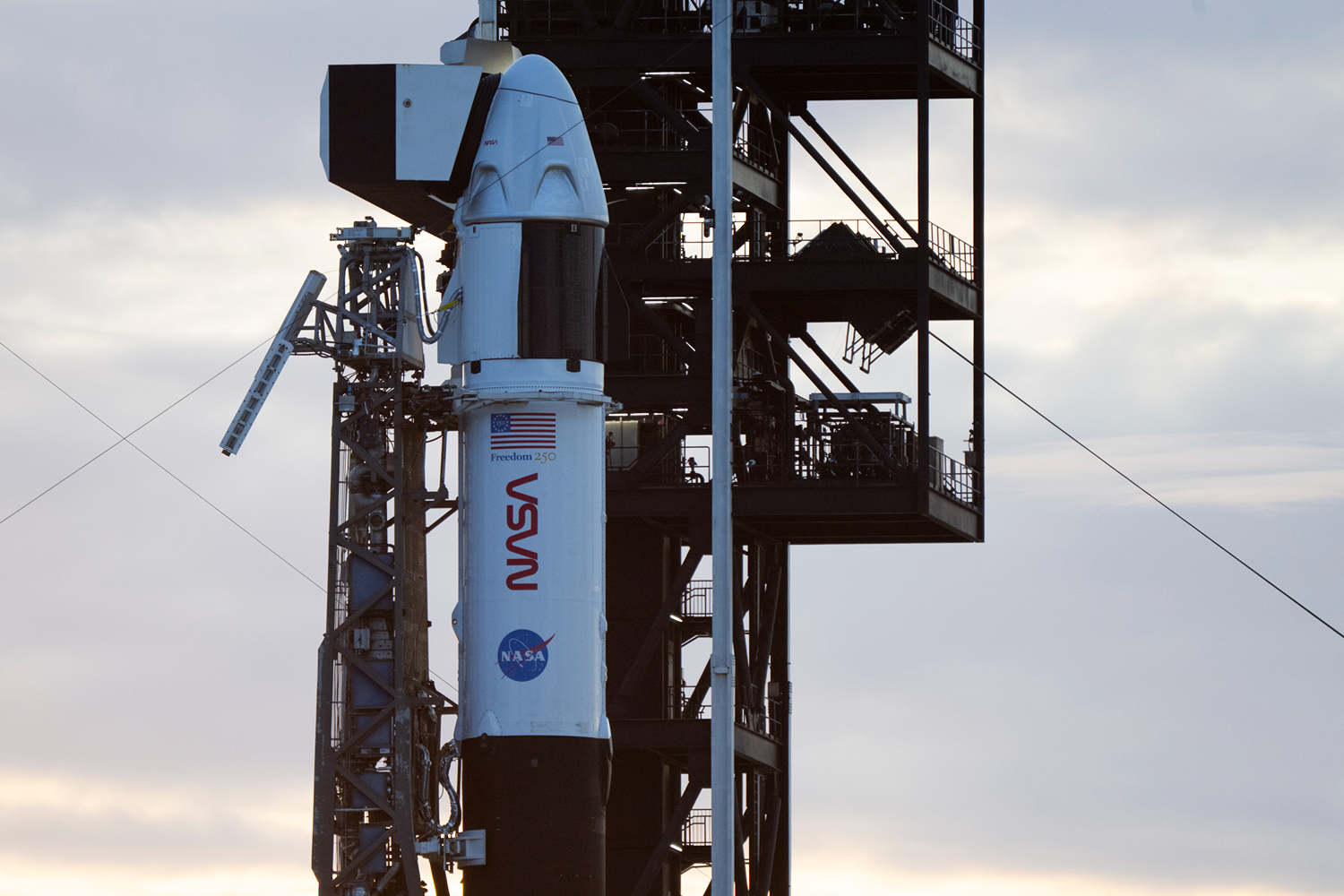
The commercial space industry is currently booming, with companies building everything from satellites to rockets. SpaceX, in particular, has been synonymous with launch capacity and infrastructure due to its extensive launch history. The Falcon 9 rocket, in particular, has been responsible for the majority of launches, with a success rate of over 99% and being both cheap and reliable in an industry where neither of those qualities is common.
However, SpaceX has announced plans to stop flying the Falcon 9 for rideshare missions, which are a crucial part of the commercial space industry as they significantly lower the cost of getting into space. This change is set to take place in 2028, leaving a gap in launch capacity. Current options like Blue Origin, United Launch Alliance, and Arianespace are already facing capacity issues and delays.
Blue Origin is down a launchpad due to an explosion, and while they aim to have a launchpad ready by the end of the year, scaling up will take longer. United Launch Alliance, a joint venture between Boeing and Lockheed Martin, has a history of not being reliable in meeting launch schedules. Arianespace, although a major player in the market, has high launch costs due to non-reusable first stages and schedule slip issues.
New entrants like Isar Aerospace in Germany and various US-based companies like Stoke Space, Rocket Lab, and Firefly are looking to fill the gap, but building up launch capacity takes time and significant investment. With SpaceX's Falcon 9 slots fully booked until 2028, the market's future launch capacity hangs in the balance.
Written by urgent.news from Foreign Policy's reporting — not their text. Machine-written — may contain errors; check the original before relying on it.