Your kitchen haldi isn’t a curcumin supplement: ‘Should not be viewed as a treatment for diabetes’
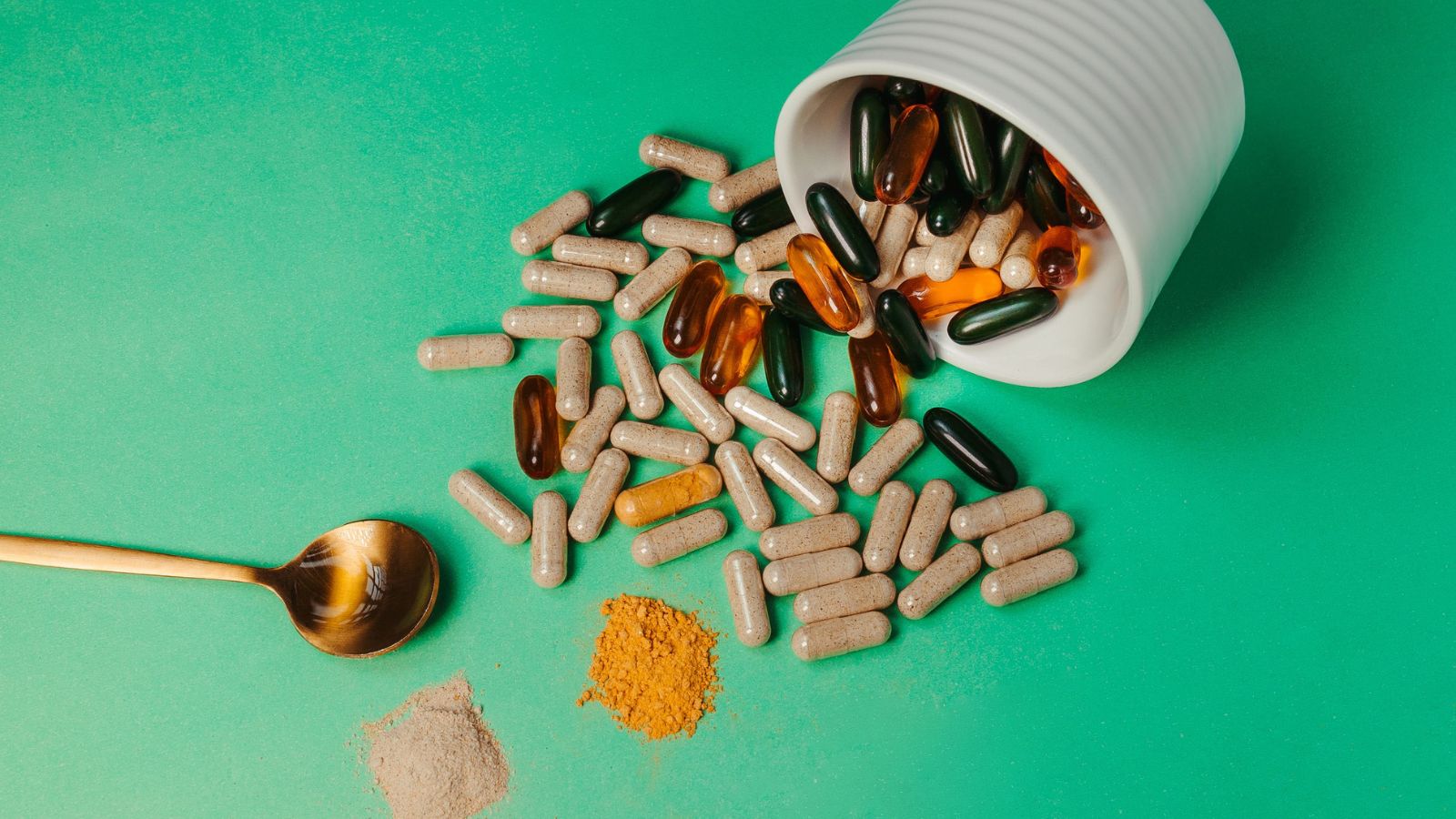
Turmeric, commonly known as haldi, is primarily recognized for its curcumin content, which boasts antioxidant and anti-inflammatory characteristics. However, there exists a crucial distinction between the turmeric incorporated into meals and the concentrated curcumin supplements available on the market. Despite their shared origin in the Curcuma longa plant, experts emphasize that they are not interchangeable due to differences in composition, concentration, and biological effects on the body.
How does the turmeric used in everyday Indian cuisine compare to the turmeric or curcumin found in supplements? Dr. Satavisha Basu, a senior dietician at Narayana Hospital, Howrah, explains that haldi, when utilized as a spice, is a whole-food ingredient comprising small quantities of curcuminoids, alongside essential oils, fiber, and other naturally occurring compounds.
Curcumin content may vary based on the variety, growing conditions, processing, and storage methods. Conversely, most supplements consist of a concentrated extract, typically standardized for curcuminoids, and may also include piperine from black pepper or specialized formulations intended to enhance absorption, as naturally occurring curcumin has limited oral bioavailability.
The quantity of curcuminoids ingested through typical cooking is considerably lower than the doses employed in supplement trials. While culinary turmeric adds flavor and diversity to a balanced diet, it should not be considered a treatment for inflammation, arthritis, diabetes, or any other ailment, according to the expert. Also, please note that turmeric and curcumin supplements cannot be used interchangeably, even if certain formulations can significantly elevate curcumin levels in the blood compared to standard curcumin.
Turmeric powder and fresh turmeric roots used in Indian cooking (Image Source: Unsplash) It is crucial to remember that haldi consumed in food contributes curcuminoids as part of the diet, while supplements offer a highly concentrated and sometimes specially designed form of curcumin. Thus, haldi in food and curcumin supplements should not be viewed as interchangeable, and supplements should not be taken merely because they contain a higher dose.
Turmeric root and powder used in Indian cuisine (Image Source: Unsplash) Certain individuals should exercise caution when considering turmeric supplements. Dr. Seema Dhir, an internal medicine consultant at Artemis Hospital, Gurugram, warns that people on blood-thinning or antiplatelet medications should avoid starting turmeric supplements without consulting their doctor, as curcumin may increase the risk of bleeding.
Individuals with liver issues should also use caution, as turmeric supplements can exacerbate liver injury. Additionally, unusual tiredness, nausea, loss of appetite, dark urine, and yellowing of the skin or eyes are warning signs to watch out for. Turmeric supplements can also cause stomach upset, acid reflux, diarrhea, and constipation, particularly in higher doses.
Pregnant women should consult a healthcare professional before taking medicinal doses of turmeric, as it may interfere with bleeding or interact with medicines used around the time of surgery.
Written by urgent.news from The Indian Express - Lifestyle's reporting — not their text. Machine-written — may contain errors; check the original before relying on it.
This story
This is one outlet's version. Read the fullest account.