Your kitchen haldi isn’t a curcumin supplement: ‘Should not be viewed as a treatment for diabetes’
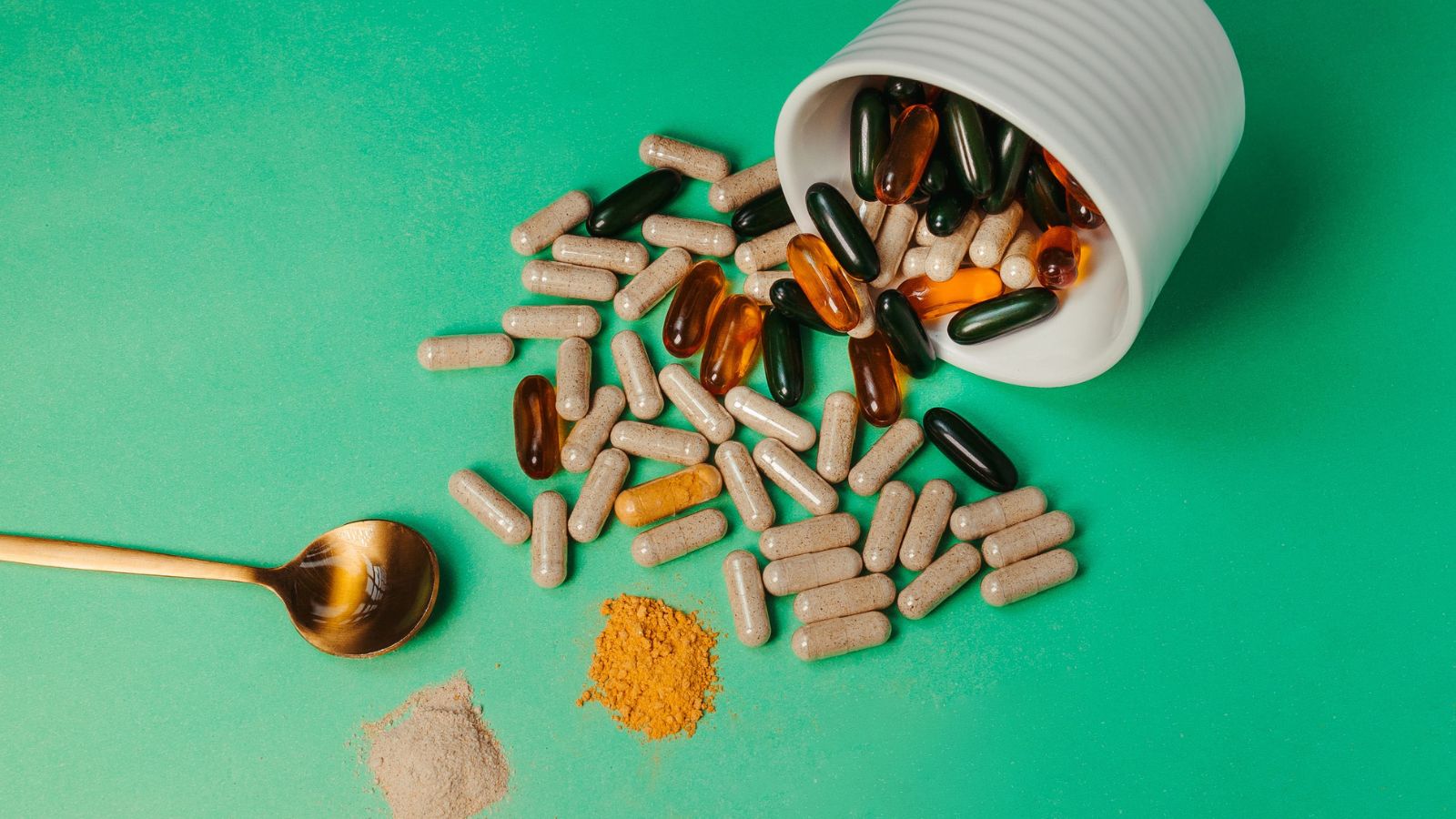
Turmeric, commonly known as haldi, is a popular spice in Indian cuisine, prized for its distinct flavor and color. However, experts warn against viewing turmeric as a treatment for ailments like diabetes or arthritis. The key distinction lies in the difference between culinary turmeric and concentrated curcumin supplements derived from the same plant, Curcuma longa. While both contain curcuminoids, the composition, concentration, and impact on the body differ significantly.
Haldi used in cooking is a whole-food ingredient, comprising small amounts of curcuminoids along with essential oils, fiber, and other naturally occurring compounds. The curcumin content can vary based on the variety, growing conditions, processing, and storage. In contrast, most supplements provide a concentrated extract, often standardized for curcuminoids, with some formulations including piperine from black pepper to enhance absorption, as naturally occurring curcumin has poor oral bioavailability.
The curcuminoids consumed through regular cooking are generally much lower than the doses used in supplement studies. Although culinary turmeric can add flavor and variety to a balanced diet, it should not be regarded as a treatment for inflammation, arthritis, diabetes, or any other disease, according to Satavisha Basu, senior dietician at Narayana Hospital, Howrah.
Experts also clarify that turmeric and curcumin supplements should not be used interchangeably. While certain formulations can significantly increase curcumin levels in the blood compared to standard curcumin, supplements are not inherently more effective than turmeric consumed as food. The absorption of curcumin may be influenced by food composition, particularly when turmeric is consumed with a meal containing fat.
However, turmeric supplements may pose risks for certain individuals, particularly those on blood thinning or antiplatelet medicines, as curcumin can raise the risk of bleeding. People with liver problems, gallstones, or bile duct issues should also consult a doctor before taking supplements. Common side effects of turmeric supplements include unusual tiredness, nausea, poor appetite, dark urine, and yellowing of skin or eyes.
Pregnant women and those preparing for surgery should also seek medical advice before using turmeric supplements.
Written by urgent.news from The Indian Express's reporting — not their text. Machine-written — may contain errors; check the original before relying on it.