Why Does Trump Prefer Using 'SI' Versus 'AI'? What We Know on New Order
Trump signs an executive order to ban the term 'AI' in favor of 'SI' in government documents.
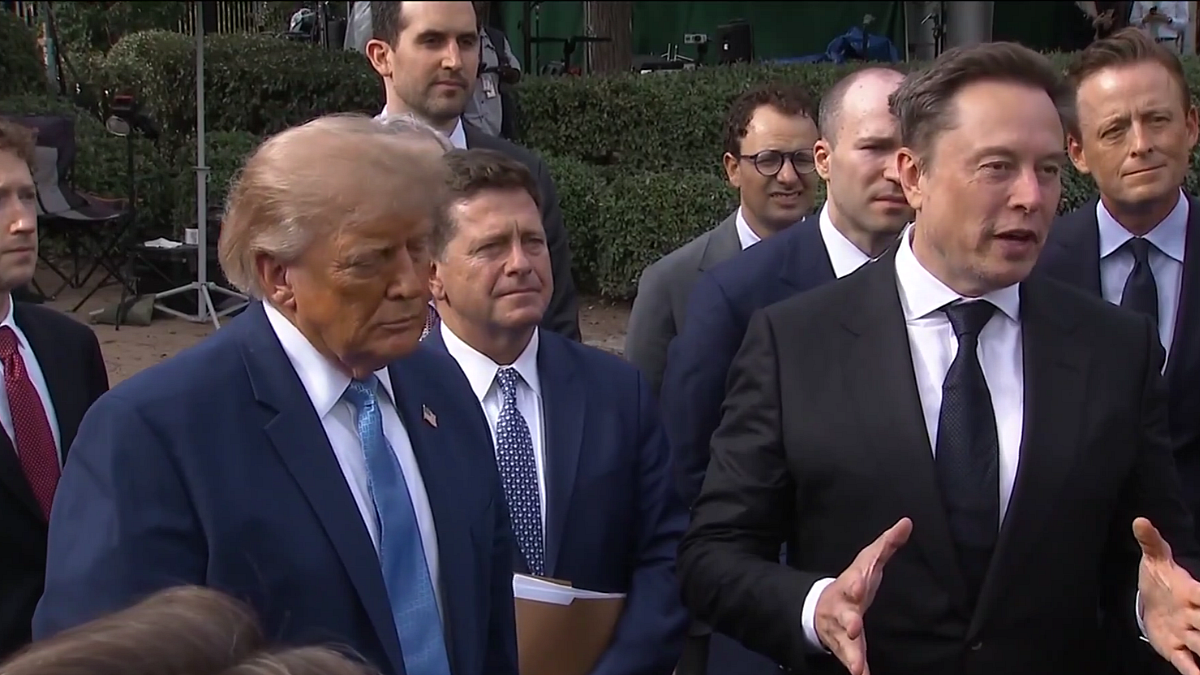
President Donald Trump has signed an executive order removing the terms "artificial intelligence" and "AI" from official government communications. Instead, the government will now refer to this technology as "Super Intelligence" or "SI." At the U.N. General Assembly, Trump announced the plan to change the terminology, arguing that "artificial" makes the technology seem "fake," when in reality, it's "amazing."
Before settling on the term "Super Intelligence," Trump conducted a poll on his Truth Social platform. Out of over 50,000 responses, 65% of participants favored "Super Intelligence" over the alternative "Superior Intelligence." The executive order emphasizes how the new terminology better reflects the transformative capabilities and limitless opportunities these technologies provide to American citizens.
However, experts question the success of this rebranding, pointing out that unless tech industry leaders adopt the term, it's unlikely to take off.
The tech world already uses "super intelligence" to describe an intellect that significantly surpasses human cognitive performance. Given this, experts believe it's premature to adopt the new term, as it could lead to brand confusion. Trump signed the order alongside House Speaker Mike Johnson and hosted a summit with tech industry leaders, including Jeff Bezos, Jensen Huang, and Elon Musk, to discuss AI concerns.
Trump also launched America.gov, an AI-powered platform to streamline citizens' interactions with the government.
Written by urgent.news from Newsweek's reporting — not their text. Machine-written — may contain errors; check the original before relying on it.