We're losing the night sky as light pollution makes it 10% brighter every year
Man-made light pollution is the culprit, and it's not just from above. You've no doubt heard of the growing headache that orbiting satellites are causing astronomers trying to photograph the night skies. Compounding the matter is the modern amenity that is artificial light on the ground. Thanks to technologies like... Read Entire Article
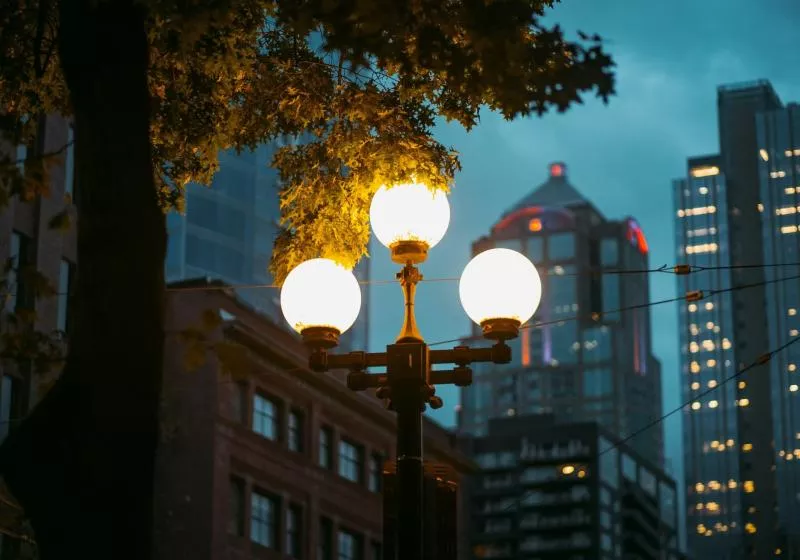
The night sky is growing darker at an alarming rate due to increasing light pollution, according to recent statistics. The average brightness of the night sky has been steadily increasing by 9.6% each year since 2011, effectively doubling its brightness every eight years. This phenomenon is primarily caused by artificial light emitted from large cities and neighborhoods, exacerbated by advancements in LED lighting technology.
A staggering 80% of the world's population now lives under light-polluted skies, making it unlikely that most people have ever experienced the true night sky.
The loss of natural darkness not only affects our ability to stargaze but also has far-reaching consequences for the environment. Nocturnal animals that rely on moonlight for navigation are thrown off course by artificial light, while disrupted circadian rhythms can have detrimental effects on all living creatures, including humans.
Some communities have taken proactive measures to combat ground-based light pollution by implementing regulations on light usage, types, and directions. New York state is also considering similar restrictions.
However, these efforts fall short when it comes to addressing the issue of space-based light pollution from orbiting satellites. These satellites, designed to beam sunlight to Earth at night, are compounding the problem and are difficult to regulate. As Tove Danovich of The Guardian points out, the growing darkness of the night sky is becoming a luxury, with access to a dark sky being more than just a matter of stargazing. It is a vital aspect of our natural environment that is rapidly disappearing.
Written by urgent.news from TechSpot's reporting — not their text. Machine-written — may contain errors; check the original before relying on it.