NASA, International Partners Advance Work on Space Crops
NASA, CSA (Canadian Space Agency), and the German Aerospace Center signed a joint statement of intent to begin coordinated, preparatory work toward an Earth-based demonstrator to learn how to grow crops on the Moon.
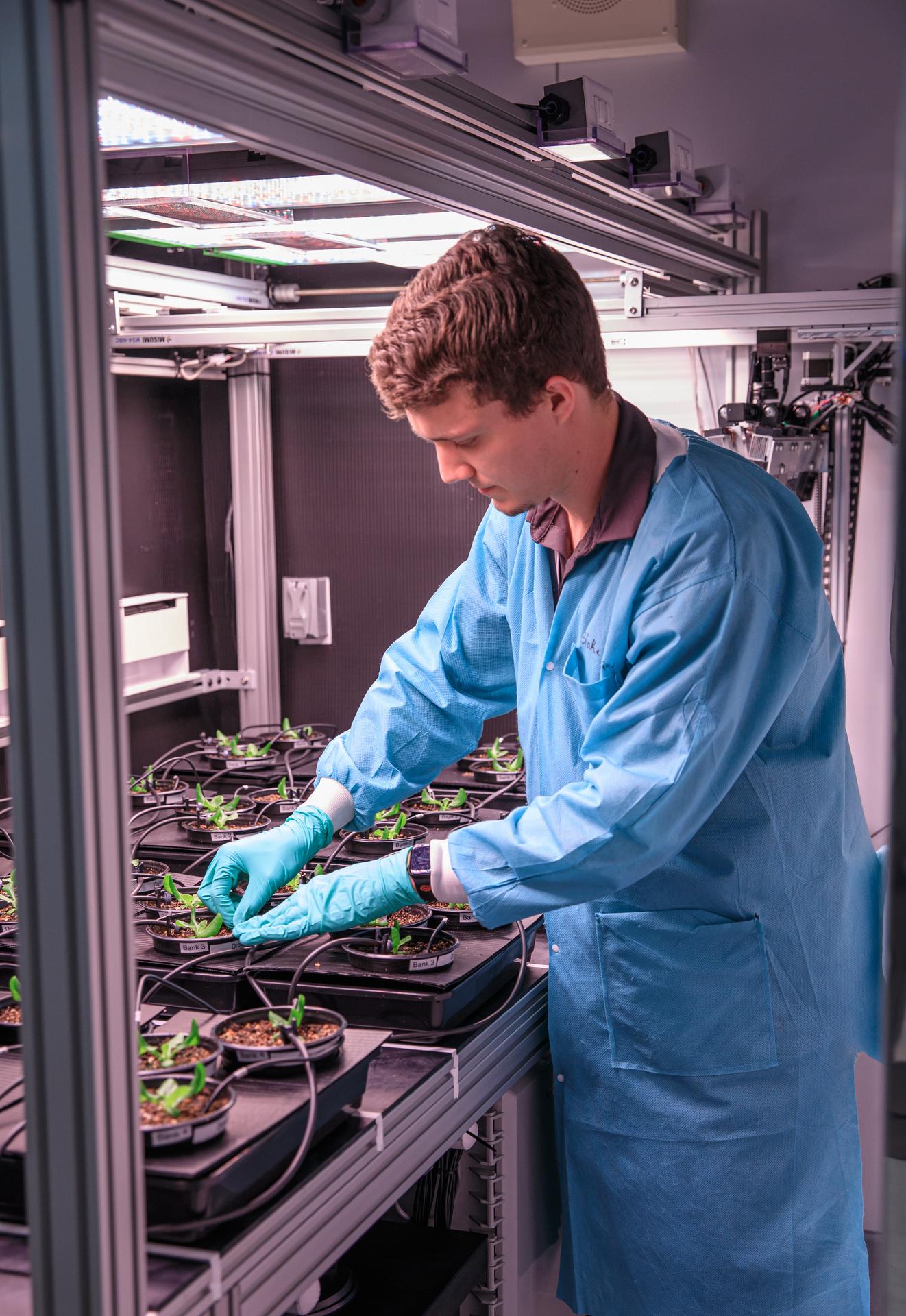
NASA, in collaboration with the Canadian Space Agency and the German Aerospace Center, has announced plans to advance work on space crops. The joint statement of intent aims to begin preparatory work towards an Earth-based demonstrator to understand how to cultivate plants on the Moon. This Lunar Agriculture Module-Ground Test Demonstrator will explore the technologies required to grow space crops and examine how they function in atmospheric and controlled environments akin to those anticipated during missions at a proposed Moon Base.
NASA and its partners intend to construct infrastructure supporting a sustained human presence near the Moon's South Pole. This endeavor will not only enhance scientific understanding and technology development but also pave the way for future human missions to Mars. Space crops will supply deep space crews with essential whole-food nutrition, offering greater dietary variety.
Additionally, they possess the ability to absorb carbon dioxide, generate oxygen, and recycle water, making these capabilities increasingly crucial as human missions venture farther from Earth.
Horticulture scientist Blake Costine recently fine-tuned moisture sensors for the Advanced Plant Imaging project at NASA’s Kennedy Space Center. Utilizing hyperspectral cameras, this project assesses plant health within the Plant Production Area at the Florida spaceport’s Space Station Processing Facility.
Written by urgent.news from NASA's reporting — not their text. Machine-written — may contain errors; check the original before relying on it.
This story
This is one outlet's version. Read the fullest account.
- NASA, International Partners Advance Work on Space Crops science.nasa.gov