‘We value the skill, but maybe not for my child’: The stigma against blue-collar jobs, laid bare
Matt Panella told Pro Accelerate he hears from high schoolers: "I want to get into the trades, but my parents don’t feel like it’s a viable career path."
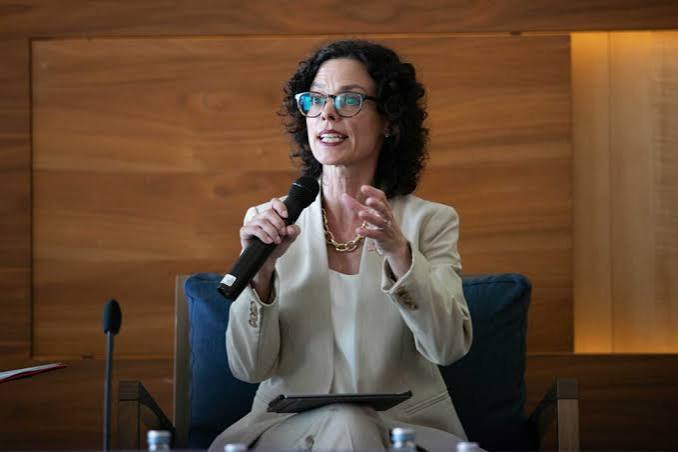
The contradiction at the heart of America’s skilled-labor shortage was captured in just nine words at a workforce-development event in Detroit. Chelle Travis, executive director of SkillsUSA, said, “We value the skill, but maybe not for my child.” This tension between respect for blue-collar jobs and reluctance to see it as an aspirational future for one’s own children was echoed throughout the event.
Students, educators, social-media creators, and industry advocates described a culture that still views college as the default pathway to success, even as employers desperately seek more skilled workers.
Travis explained that the issue isn’t a lack of value in these jobs but rather a knowledge and connection gap. Many students and parents are unaware of the plentiful, family-sustaining opportunities available in skilled trades. Derek Feldmann, managing director at the Ad Council Research Institute, found through a survey of young people that only 11% were genuinely interested in trade careers, despite 38% expressing they would consider one.
The allure of college is clear, with students familiar with applications, financial aid, and graduation. However, the skilled trades can be more fragmented, with various pathways including high-school programs, apprenticeships, community colleges, private training, and employer-sponsored opportunities. Without access to guidance, students may struggle to navigate these options.
Matt Panella, a carpenter and home builder with a strong social-media following, noted that many teenagers want to pursue trades but need help convincing their parents. He emphasized the need for visible role models in the industry to counter the stigma. Tanisha Brana, a Detroit educator, recommended that students try career-tech courses before committing to a college major, as they are low-cost and risk-free. These courses allow students to test a potential profession without significant financial investment.
The panelists rejected the binary college-versus-trades framing, emphasizing that both paths can coexist. Tanisha Brana highlighted that skilled trades often involve unconventional education methods like apprenticeships, certifications, or technical degrees, which may be more accessible and financially viable than traditional college.
This understanding reshapes the financial decision-making process for teenagers and their families. For example, students in auto programs can work and learn simultaneously, earning wages while training.
Gender also plays a role in the stigma. Dallas Sutton, a 17-year-old automotive student, acknowledged the rarity of women in the field and expressed a desire to see more female mechanics, as it would inspire other young women. Sutton's grandfather, a mechanic and pastor, and her early interest in cars motivated her to pursue automotive work, but the gender imbalance remains a barrier she hopes to change.
Written by urgent.news from Fortune's reporting — not their text. Machine-written — may contain errors; check the original before relying on it.