US forces exit Iraq, emboldening Iran’s proxies and Islamic State
US forces ended their mission in Iraq on Wednesday, raising fears they will leave behind a security vacuum, further embolden Iranian-backed Shi'ite militias and give the resurgent Islamic State group an opening to regroup.
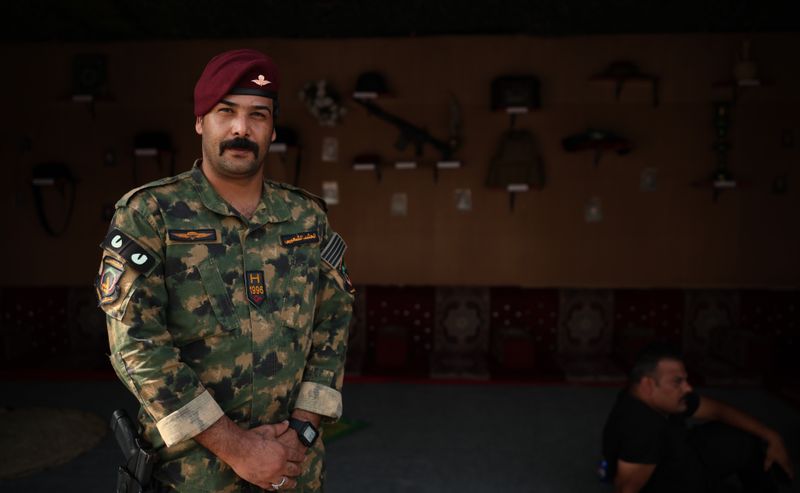
The United States concluded its mission in Iraq on Wednesday, sparking concerns of a security vacuum that could benefit Iranian-backed Shiite militias and the resurgent Islamic State group. The withdrawal, primarily from an airbase in Erbil in Iraq's semi-autonomous Kurdish region, was welcomed by Tehran and its allies as a victory.
This decision, reached in 2024 under President Joe Biden and executed by the Trump administration amidst ongoing conflict with Iran, coincides with the 23-year mark since US-led forces ousted Saddam Hussein, igniting years of turmoil and paving the way for the emergence of the Islamic State.
The Pentagon confirmed that the United States and its coalition partners officially concluded Operation Inherent Resolve, and the Pentagon will continue to offer targeted training and intelligence support to Iraqi allies. Iraqis are anticipated to take charge of securing their country and thwarting the remnants of the Islamic State's presence.
However, some worry that despite US forces' training and funding, Iraq's security forces may still struggle to protect the nation, where 4,500 American lives were lost during the 20-year-long conflict. Analyst Jassim al-Bahadli cautioned that security vacuums can pose grave dangers.
After invading Iraq in 2003, the US occupied the country, installed a Shi'ite-led government, and engaged in a protracted insurgency by Saddam loyalists, al-Qaeda, and later the Sunni militant group Islamic State from 2014 to 2017. The war claimed nearly twice as many American lives as the concurrent war in Afghanistan, which concluded with an abrupt US withdrawal in 2021.
The current Iran-Iraq conflict has seen seven of the 18 US service members killed in Iraq, with the last fatality occurring during a controlled drone detonation near Erbil in July. Iranian officials, who aspire to compel American forces to abandon the entire Middle East, view the US pullout from Iraq as a triumph for their axis of resistance - allied armed groups across the region.
Analysts fear that Iran's proxies may exploit the absence of Western military presence to exert greater influence over state policies and bolster their foothold within key institutions.
Some Iraqi security officials, both within the federal government and the semi-autonomous Kurdish region, warn that the US departure could revive the Islamic State's sleeper cell network. During their peak, the militants controlled a third of Iraq, killing thousands, including hundreds executed at a former US military base. The critical question now is whether Iraq's security institutions have prepared a viable Plan B for the post-coalition phase, as retired Iraqi Army General Mohammed al-Jubouri emphasized.
One worst-case scenario involves the Islamic State acquiring armed drones or improvised explosive devices, given Iraq's inadequate air defense capabilities to counter such threats.
Written by urgent.news from Daily Maverick's reporting — not their text. Machine-written — may contain errors; check the original before relying on it.
This story
This is one outlet's version. Read the fullest account.
- Iran appeals to US voters as American troops leave Iraq sabcnews.com
- US forces exit Iraq, emboldening Iran’s proxies and Islamic State freemalaysiatoday.com
- Iran appeals to US voters as American troops leave Iraq koreatimes.co.kr
- US withdraws troops from Iraq, UAE condemns Al Aqsa breach and Morocco appoints first female PM thenationalnews.com
- Iran appeals to US voters as American troops leave Iraq al-monitor.com
- Final US military withdrawal from Iraq is a major bonus for Iran asiatimes.com
- Iran appeals to US voters as American troops leave Iraq rte.ie
- As the last US troops exit Iraq, Kurdish fears rise and militias celebrate winnipegfreepress.com