Uncovering the true craft of translation
EVERY year on September 30, the global literary community marks International Translation Day, celebrating the craft of translators who carry stories across borders and grant them second lives in new tongues.
Every year on September 30, the global literary world observes International Translation Day, acknowledging the crucial role translators play in bridging cultures and cultures through their work. At first glance, translation may seem simple: an author composes a story, a translator converts the words, and a translated work is ready for readers.
Yet, the intricate processes behind translations often hold stories as engaging as the literature itself. In Malaysia's publishing scene, revisiting cherished classics unveils a fascinating world of translation history.
A prime example is Malaysian author A. Samad Said's masterpiece, Salina, originally penned in 1961. Three different English translations exist: by Harry Aveling in 1975, Hawa Abdullah in 1991, and Lalita Sinha in 2013. Readers might assume each new translation is a fresh interpretation for contemporary audiences. However, this isn't always the case.
Consider Antoine de Saint-Exupéry's 1943 French novel, Le Petit Prince, available in two Malay translations for Malaysian readers: Putera Cilik, translated by Ezzah Mahmud (2015), and Putera Kecil by Azzah Abdul Rahman (2021). On the surface, both appear as retranslations as they share the same target language and root from the same original French work.
Yet, a closer look reveals a crucial distinction: neither translator directly worked from the French original. Instead, both relied on an intermediary language, English, a common practice known as indirect or relay translation. The key difference lies in their source texts: Ezzah translated from Katherine Woods' 1943 English version, while Azzah used Ros and Chloe Schwartz's 2010 English translation.
These distinct sources prevented the two Malay editions from sharing the same immediate parent text.
Another example is Joseph Conrad's 1895 masterpiece, Almayer's Folly. The title, "Folly," carries a dual meaning: foolishness and an architectural structure. Translating this title into Malay is challenging due to the loss of both meanings in a single word. Rustam A. Sani's 1967 translation titled it "Istana Impian" (Palace of Dreams), capturing the architectural metaphor reflecting Almayer's decline against resilient local figures.
Fifty years later, Hamidah Hassan and Morne Hashim translated the novel in 2016 for Institut Terjemahan & Buku Malaysia. They chose a different title, "Kemudi" (Rudder or To Steer), referencing Conrad's original working title "Kamudi," a pseudonym for his maritime roots. This different title choice highlights how translation decisions are deeply influenced by cultural contexts and historical nuances.
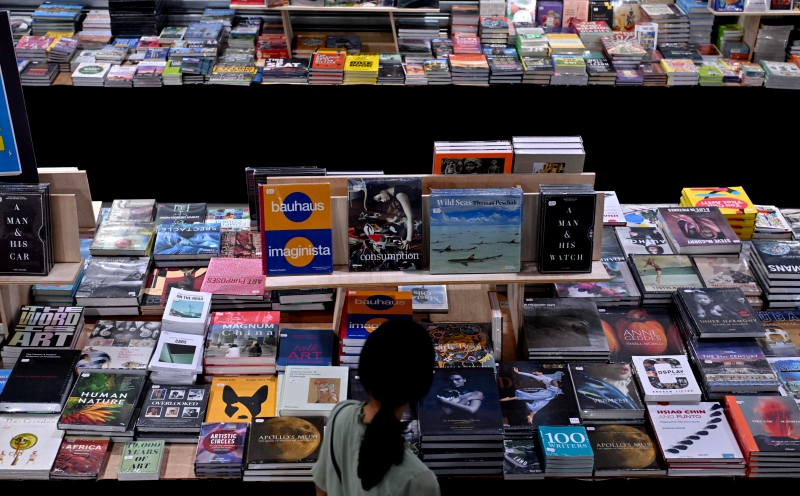
On this International Translation Day, remember that the books on your shelf carry rich stories behind them, shaped by human choices, cultural contexts, and historical quirks. So, the next time you browse a local bookstore, take a moment to look beyond the cover. Peek at the copyright page, read the translator's introduction, and ponder the unexpected journeys these words undertook to reach you.
Written by urgent.news from New Straits Times's reporting — not their text. Machine-written — may contain errors; check the original before relying on it.