Trump decrees era of 'Super Intelligence' upon us
Federal paperwork to be pulped as agencies told to forget the old name, while critics ask who owns all those .si domains
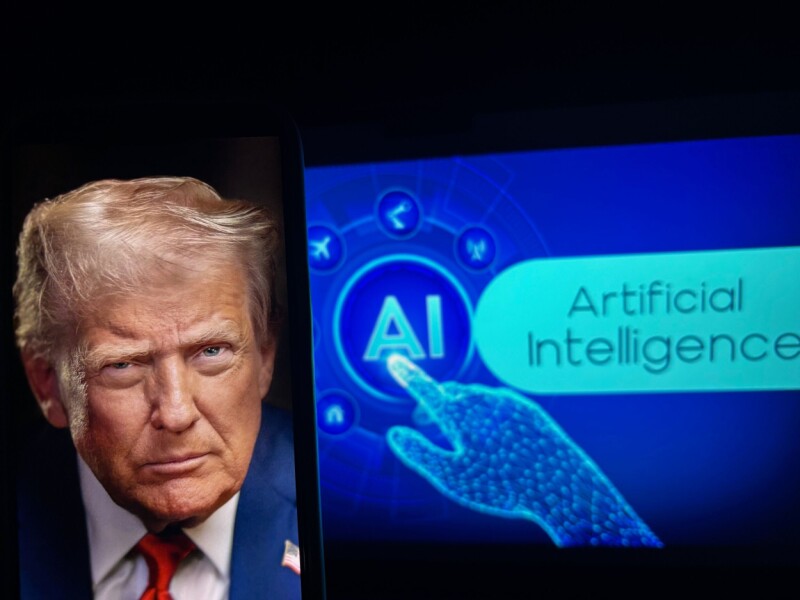
President Trump has declared that the era of "Super Intelligence" has arrived, replacing the term "Artificial Intelligence" (AI). In an executive order, he directed the federal government to use the new terminology and reflected the transformative capabilities of these technologies. Trump emphasized that these technologies are not just imitating or automating human intelligence, but are actually amplifying it and unlocking new forms of creativity.
This new era of "Super Intelligence" has the potential to advance scientific and medical research, as well as nearly every other domain of human endeavor. Trump's order directs government agencies to reflect these capabilities and opportunities in all official settings. The change in terminology comes just months after another executive order promoting AI innovation and security in June.
Some speculate that this sudden shift could be linked to investments in .si domains, as noted by a Canadian VC firm. However, without definitive evidence, it is likely that the executive order is a genuine attempt to align government practices with the advancements in AI technology.
Written by urgent.news from The Register's reporting — not their text. Machine-written — may contain errors; check the original before relying on it.
This story
This is one outlet's version. Read the fullest account.
- Three takeaways from Trump’s ‘Super Intelligence’ summit kahawatungu.com
- Three takeaways from Trump's 'Super Intelligence' summit bbc.co.uk
- Trump decrees era of 'Super Intelligence' upon us theregister.com
- ‘President of the Unites States’: Typo spotted in Trump’s White House ‘super intelligence’ accord hindustantimes.com