Senior journalist seeks to intervene in legislative privilege versus free speech case
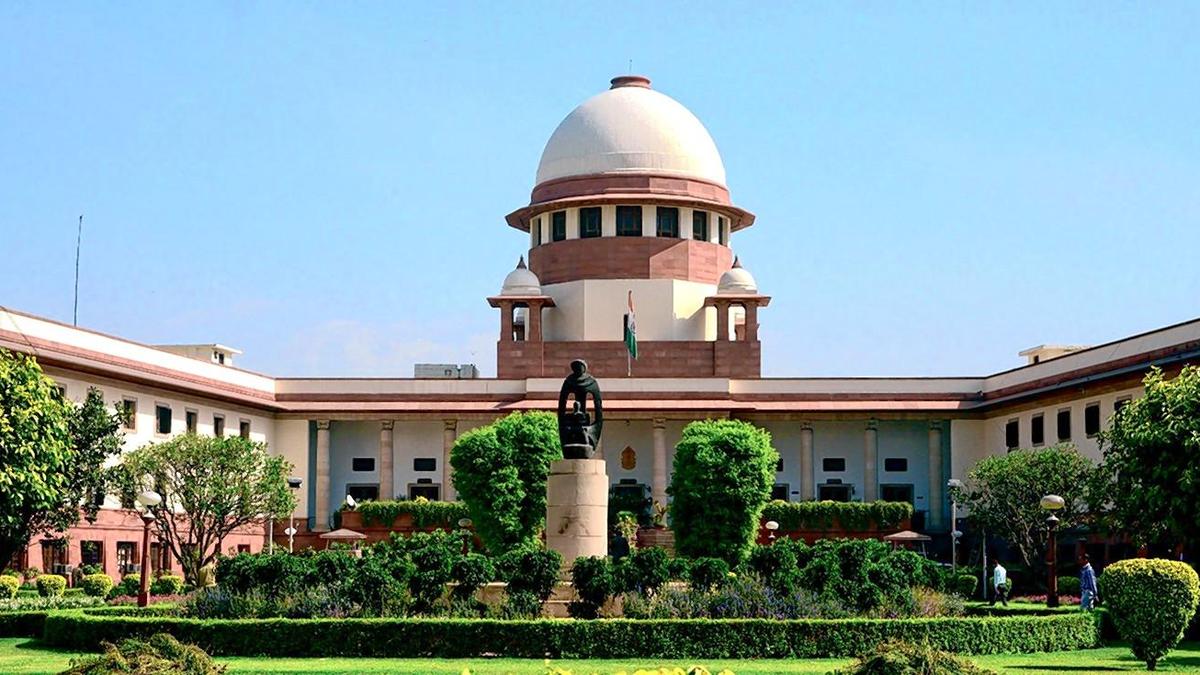
Senior journalist Seema Chishti has filed an application with the Supreme Court to intervene in a long-standing legal dispute concerning the boundaries of legislative privilege and the extent to which a legislative body can utilize its powers to supersede citizens' fundamental right to freedom of speech and expression. The matter in question originated in 2003, when The Hindu published an editorial expressing criticism of then Tamil Nadu Chief Minister Jayalalithaa.
In response, the Assembly Speaker at the time submitted a resolution to the House, alleging that the newspaper had "distorted the proceedings of the Assembly" and provided "comments contrary to the events in the Assembly". This resolution was deemed to infringe upon the privilege of the entire House under Article 194 of the Constitution, which safeguards the freedom of speech and immunities of Members of State legislatures.
The Tamil Nadu State Assembly subsequently passed a resolution requesting the arrest of The Hindu's editorial staff. In 2026, N. Ravi, the former Editor of The Hindu, turned to the Supreme Court for assistance, seeking to overturn the Assembly's actions. Senior Advocate Harish Salve, who represented the newspaper, contended that invoking Article 194(3) would undermine press freedom guaranteed by Article 19(1)(a) of the Constitution.
The apex court agreed to review the broader legal question of whether a critical speech or publication would constitute a breach of legislative privilege. After being on hold for an extended period, a seven-judge Bench, led by Chief Justice of India Surya Kant, set the case to be heard on October 6. Chishti, represented by advocate Neha Rathi, argued that the case fundamentally revolved around the "constitutional balance between the Legislature, the judiciary, and the free press".
She contended that "legislative privileges and fundamental rights do not function as isolated, separate entities, but must be considered together, in a harmonious manner, to fully realize the constitutional vision of democratic governance".
Written by urgent.news from The Hindu's reporting — not their text. Machine-written — may contain errors; check the original before relying on it.