Said Jawish Interview Part 1: monitoring Israeli communications
Said Jawish Interview Part 1: monitoring Israeli communications newspress_en Wed, 09/30/2026 - 16:38 Documents & Memoirs Said Jawish grew up in the Kurdish Quarter of Damascus, in a family that knew financial hardship, and worked as an electrician before joining the army. He learnt Hebrew from two Palestinians and later taught other Syrian soldiers the language. Still, he could not have imagined…
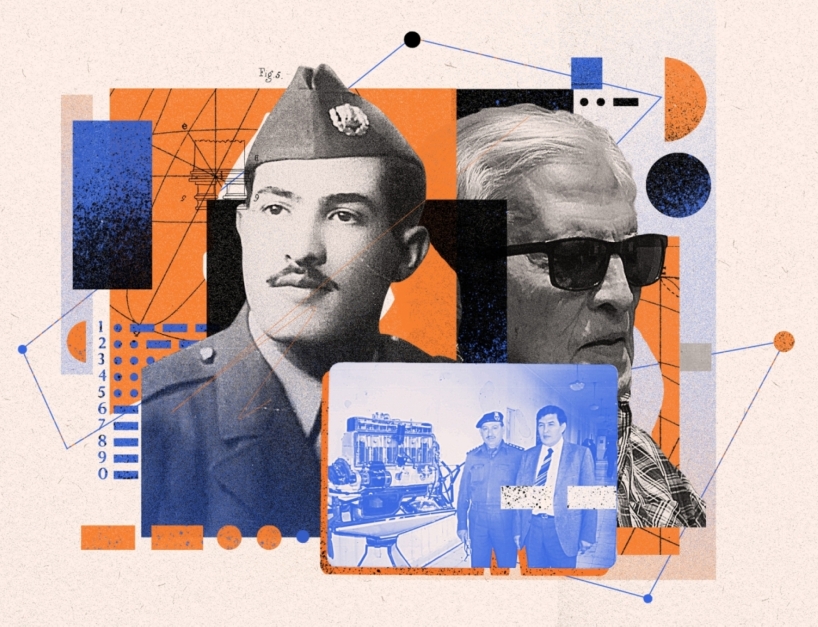
Said Jawish, a Syrian from Damascus and the Kurdish Quarter, recalls his journey into monitoring Israeli communications. Growing up in difficult economic circumstances, he worked as an electrician before joining the army in 1951 to specialise in the Signal Corps. While teaching Hebrew at the Military Academy in Homs, Jawish conceived the idea of intercepting Israeli communications.
He approached the army's senior command with his proposal, which initially faced ridicule and dismissal. Undeterred, Jawish persisted, eventually receiving permission to establish Signal Company 134, dedicated to monitoring Israeli communications. This undertaking involved setting up listening stations in the Golan Heights, training Syrian soldiers to intercept Israeli messages, and decoding the transmissions.
Jawish's team intercepted and recorded various types of messages, including military communications, radio broadcasts, and news agency transmissions, often in Morse code. Despite the challenges, the signals and cipher used by the Israeli army provided valuable insights into their organization, communication practices, and the size of military units.
Written by urgent.news from Al Majalla English's reporting — not their text. Machine-written — may contain errors; check the original before relying on it.