Price expectations and demand key in ECB’s next move, Schnabel says
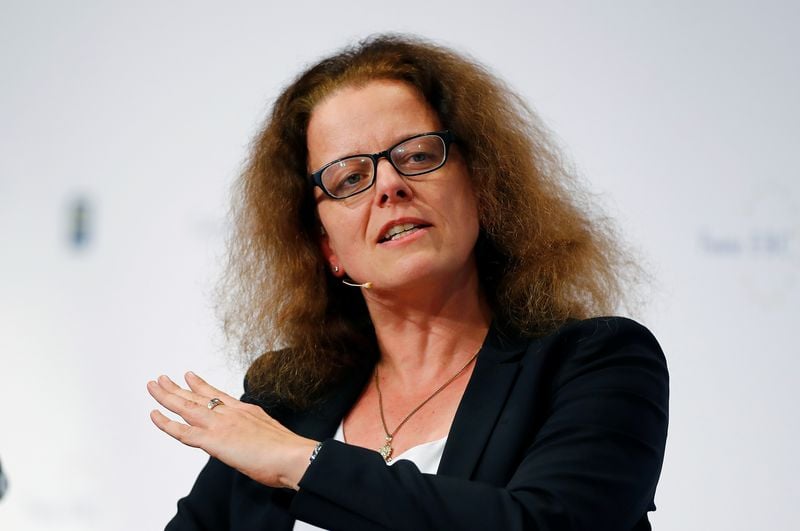
ECB President Isabel Schnabel says the central bank should closely examine a combination of domestic and global factors when determining whether to continue its interest rate hikes, reported Reuters on September 30. The ECB has increased rates twice this year after a surge in energy prices pushed inflation far beyond its 2% target, and markets anticipate up to four more hikes in the coming year as high energy costs percolate into the broader economy.
While Schnabel, known for her hawkish stance, did not explicitly state her preferred course of action, she highlighted the critical factors that could tip the balance in favor or against further policy action. First, Schnabel noted that persistent increases in energy prices could alter inflation expectations, especially after years of high inflation.
Though multiple measures of long-term inflation bets remain close to the 2% target, partly due to the ECB's own rate hikes, as long as expectations remain firmly anchored and backed by a consistent record of hitting the inflation target, monetary policy can handle a more measured decline back to target, she said in a speech in Luxembourg.
Secondly, the resilience of overall demand in the economy is a key consideration, as higher costs are more readily passed on to consumers when growth remains sturdy. Lastly, Schnabel pointed to how the recent surge in global borrowing costs, driven in part by rising U.S. yields, may impact the economy more than currently anticipated.
Some models suggest this could dampen growth more than the ECB's baseline projections. Consequently, if the economy responds more strongly to the recent tightening than expected, this could reduce medium-term inflationary pressures compared to previous projections, Schnabel explained. However, robust credit dynamics indicate interest rates may not currently be restraining economic activity, and it is conceivable that the restrictive zone is now higher than previously estimated, she said.
Written by urgent.news from Investing.com's reporting — not their text. Machine-written — may contain errors; check the original before relying on it.