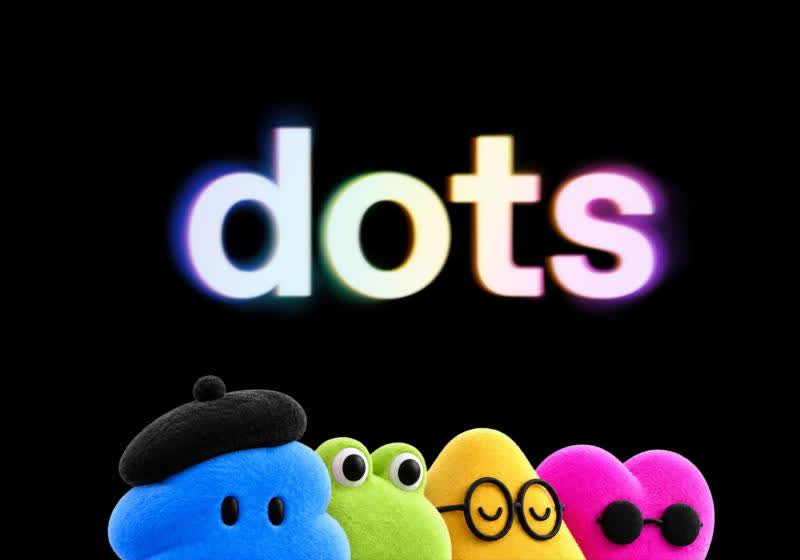
Personal agents are AI companies' best shot at keeping you faithful
OpenAI's Dots AI agent made a splash at DevDay, but the bigger question is what people will actually use personal agents for — and what keeps them coming back.
OpenAI has introduced Dots, its always-on AI agent, at the company's DevDay conference in San Francisco. The launch comes as other tech giants, such as Meta and Instinct, have also unveiled AI agents. Dots is not free, and it is initially available to Enterprise and Business Premium users, as well as ChatGPT Pro subscribers. OpenAI CEO Sam Altman outlined a three-part plan for the company, focusing on models, building, and distribution.
Additionally, OpenAI announced ChatGPT Space, a new collaboration feature, and a premium plan priced at $500 per month.
The rise of AI agents raises questions about their potential applications and the risks they pose. Concerns include data security and the possibility of becoming overly reliant on AI services. However, many executives have already started delegating tasks to AI agents, such as canceling forgotten subscriptions or negotiating better prices.
It remains to be seen what will keep users engaged once these common tasks are no longer a concern. Some speculate that AI agents could reshape commerce by taking a commission on transactions, but a MoffettNathanson report suggests that most individuals only have around 11 monthly payments to manage with an AI agent.
Personal agents have the potential to keep users committed to a single AI company, as it is easy to spread tasks across different chatbots. However, giving multiple AI agents access to personal data and allowing them to operate freely presents a significant challenge. While hardcore tech enthusiasts may disagree, the average person is likely the exception rather than the rule.
Written by urgent.news from Business Insider's reporting — not their text. Machine-written — may contain errors; check the original before relying on it.