Pakistan mulls allowing private firms to directly import LNG: report
The government, in order to avoid further financial strain, is considering allowing power plants and other private companies to directly import liquefied natural gas (LNG), Bloomberg reported on Wednesday, citing a person familiar with the matter. According to the report, two of Pakistan’s LNG import terminals have been mostly idle since March, as flows from Qatar have halted due to the ongoing…
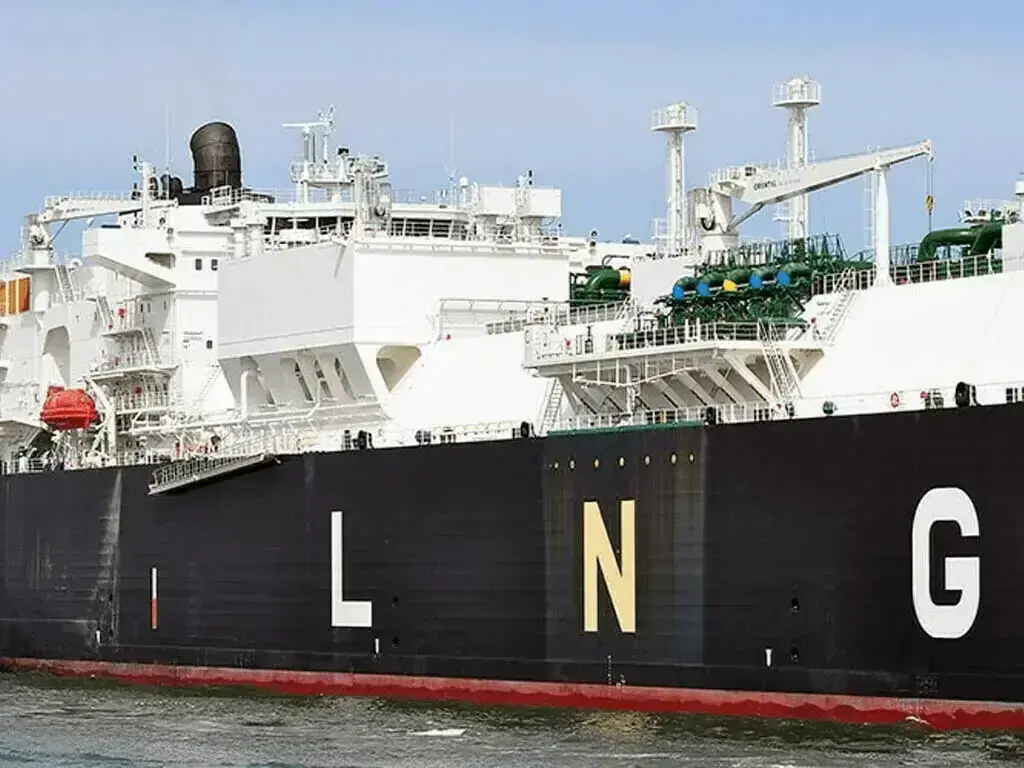
Pakistan's government is contemplating a significant shift in its energy policy, potentially allowing private firms to directly import liquefied natural gas (LNG), according to a report by Bloomberg. The proposal, revealed by a source familiar with the matter, aims to alleviate the financial strain on the country's power plants and other private entities.
Currently, only state-owned Pakistan LNG Limited is permitted to procure LNG cargoes from the spot market, a restriction that Bloomberg notes as a significant impediment to private sector participation.
The Petroleum Division of the Ministry of Energy has submitted a proposal to significantly broaden the scope for auctions of unused terminal capacity, effectively enabling private companies to import LNG directly. This move comes at a time when Pakistan is grappling with substantial challenges in securing LNG deliveries. The primary issue stems from geopolitical disruptions and soaring spot market prices, which have made it difficult for the nation to rely solely on its long-term supply agreements with Qatar.
Qatar, the country from which Pakistan historically procures a significant portion of its LNG, has been hit by renewed hostilities in the Strait of Hormuz. This has led to the cancellation of a Qatari LNG shipment scheduled for July 2026 and prompted Qatar to declare force majeure, thereby disrupting LNG imports to Pakistan. As a result, Pakistan has been forced to seek emergency supplies and explore alternative fuels or expensive spot cargoes.
In a recent warning, Pakistan's Petroleum Minister Ali Pervaiz Malik cautioned that the price of fuel could skyrocket to Rs1,000 per litre if a fuel shortage were to occur. However, he assured that there is currently no fuel shortage in the country. This report underscores the urgent need for Pakistan to diversify its LNG import channels, moving beyond its traditional reliance on Qatar, to ensure the stability and affordability of energy supplies.
Written by urgent.news from Business Recorder's reporting — not their text. Machine-written — may contain errors; check the original before relying on it.