My freshly washed bed sheets smelled sour — until an expert pointed out my drying mistake
Why polyester bed sheets in particular fall foul to 'permastink', plus the one thing you're doing that makes the problem worse.
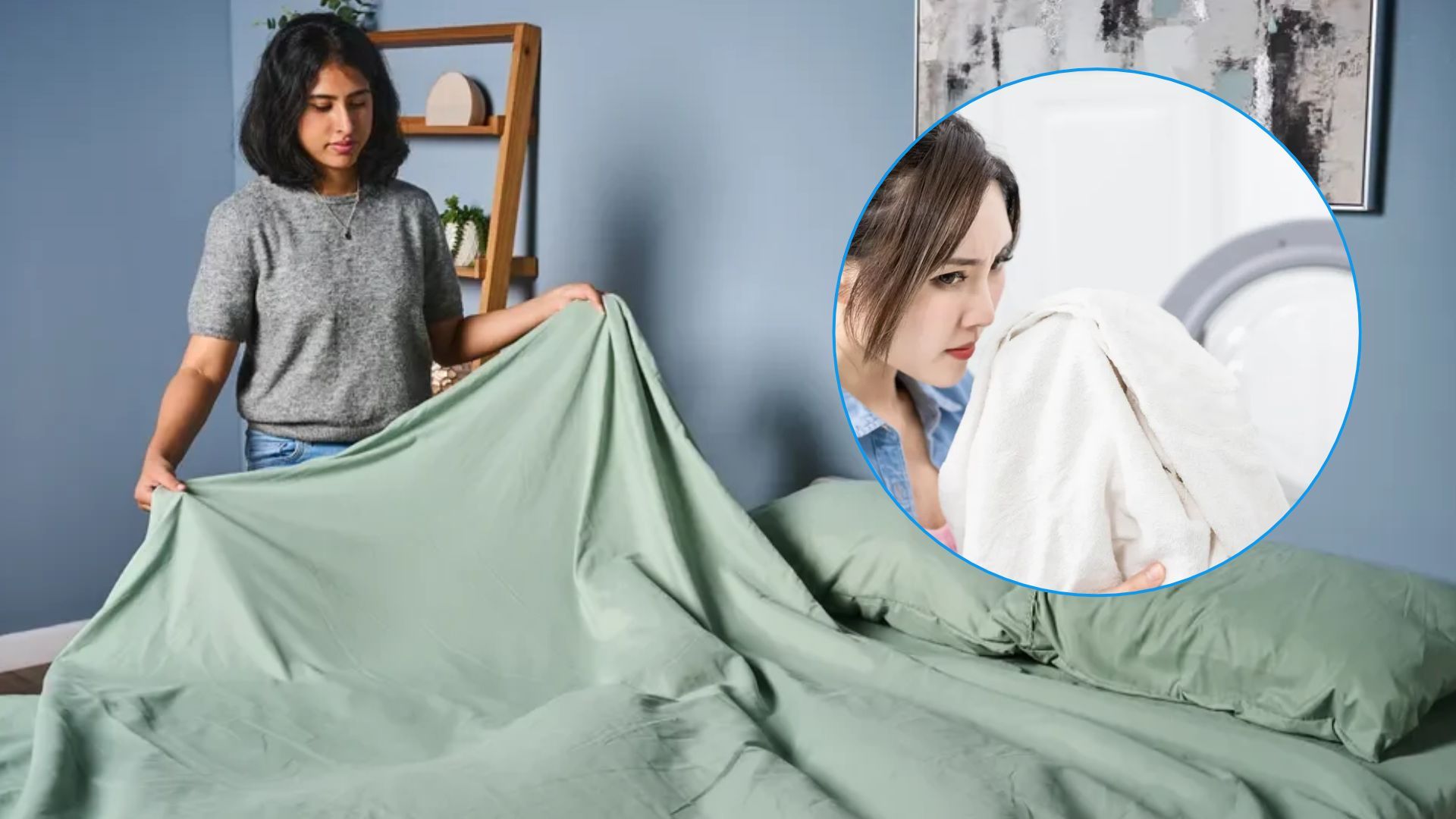
Discovering fresh bed sheets with an unpleasant sour smell can be disheartening. Often, the culprit is a simple drying mistake. Infection prevention expert Dr. Shanina C. Knighton, PhD, RN, CIC reveals the science behind the smelly sheets and provides solutions to remedy the issue. When bed sheets are not fully dry, the residual moisture creates an ideal environment for bacteria to thrive.
This survival of bacteria after washing is due to the fact that while washing removes most soil, it does not sterilize. The damp conditions allow bacteria to multiply, feeding on skin oils, sweat, and detergent residue. The end result is a sour odor that resembles urine due to the presence of ammonia and compounds produced by the bacteria.
The issue worsens when damp sheets are folded and stored, as the layers trap moisture and airflow reduces significantly. The specific bacteria responsible for the odor, Moraxella osloensis, thrives on human skin and can persist in polyester and polyester blends, making them susceptible to bacterial growth. To combat musty bed sheets, Dr. Knighton recommends cleaning the washing machine before re-washing the linens, as bacteria can persist even in the machine.
Washing sheets at the highest temperature suitable for the fabric, ideally 130 degrees Fahrenheit or above, can effectively kill bacteria. Alternatively, rinsing with white vinegar or baking soda can help break down residue. Avoid using fabric softener, as it can trap odor-causing residue. After washing, ensure the sheets are thoroughly dried before storing them, paying extra attention to thick seams and elastic corners where moisture tends to accumulate.
To prevent future occurrences, improve ventilation in the laundry area, avoid synthetic fabrics, and store linens in breathable containers.
Written by urgent.news from Tom's Guide's reporting — not their text. Machine-written — may contain errors; check the original before relying on it.