Musa Azare: Bala Mohammed: The performer who delivers; why continuity matters for Bauchi
One of the enduring challenges of governance in Nigeria is the failure of successive administrations to sustain worthwhile projects and policies inherited from their predecessors. Too often, a change of government is treated as an opportunity to start afresh rather than to build on what already exists. Projects initiated by previous administrations are sometimes abandoned, […] Musa Azare: Bala…
Governance in Nigeria often suffers from the failure of administrations to sustain worthwhile projects and policies inherited from their predecessors. Successive changes in government frequently lead to the abandonment, review, or replacement of projects, even after significant public funds have been allocated. This issue transcends political differences and can result in stranded infrastructure, increased costs, delayed services, and deprived citizens of promised benefits.
Governor Bala Mohammed of Bauchi State has shown a commitment to treating government as a continuum, emphasizing the importance of continuity for ongoing projects. Projects should not lose relevance simply due to a change in administration. Instead, the viability of the project, public resource commitment, and the potential for serving public interest should be the primary concerns.
The consequences of discontinuity in projects are evident at both federal and state levels. A notable example is the Dasin Hausa Dam in Adamawa State, originally planned in the late 1970s as a multipurpose infrastructure project with flood control, irrigation, and power generation potential. Despite being conceived over four decades ago, the project remains stalled.
However, the Infrastructure Concession Regulatory Commission (ICRC) announced plans in March 2025 to accelerate its development through a public-private partnership, aiming to mitigate floods, generate electricity, and irrigate farmland.
Bauchi State offers a relevant case study of the challenges faced by governments in sustaining long-term projects. Successive administrations have pursued varying development priorities, with political disagreements influencing how previous administrations' records were handled. The result has been an uneven pattern of project completion, review, or abandonment.
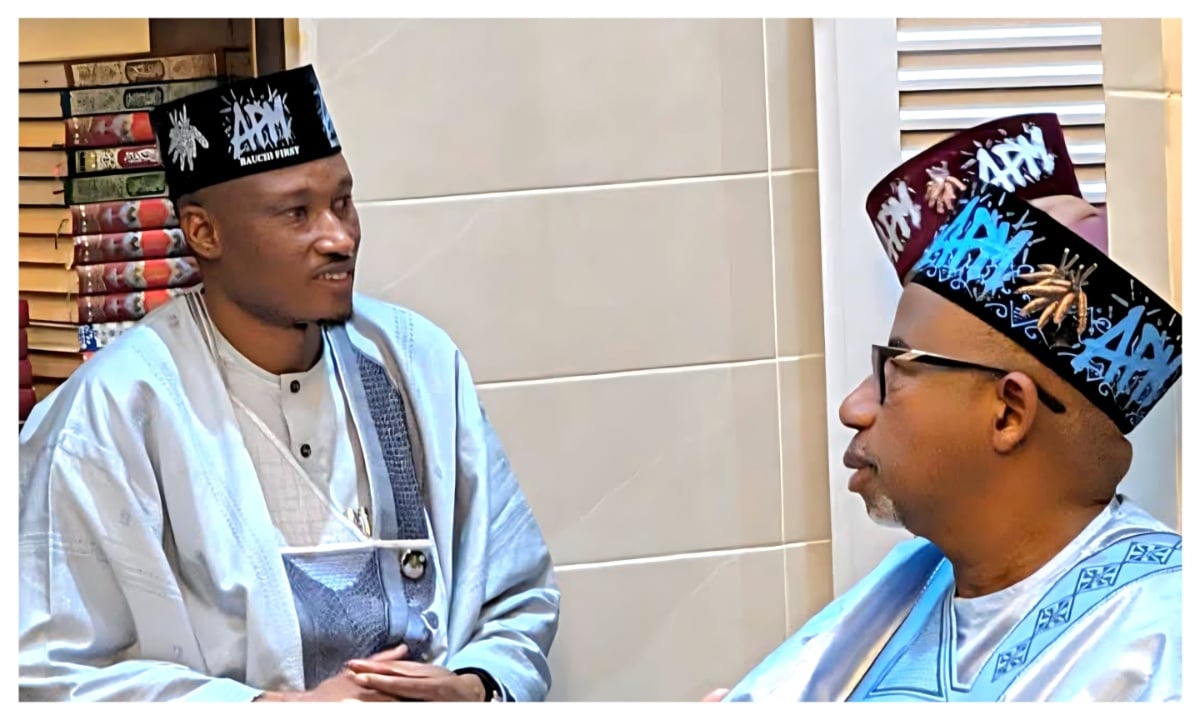
Former Governor Ahmadu Adamu Mu'azu has advocated for institutional safeguards to protect the state's development trajectory and prevent the stop-start cycle of governance that occurs when successive administrations replace projects with new ones due to political differences.
Mu'azu's call for a law-backed development plan for Bauchi State aims to secure its future and mitigate the negative impacts of project discontinuity. The experiences of Bauchi's civilian Governors, such as Mu'azu and his predecessor, highlight the challenges faced when trying to maintain a consistent development trajectory.
Written by urgent.news from Daily Post Nigeria's reporting — not their text. Machine-written — may contain errors; check the original before relying on it.