Life After Roe
The end of Roe v. Wade in 2022 was supposed to be devastating for abortion access across the US. Thousands of women every month—the ones who could afford it—would be forced to travel long distances to receive care. Many more women would be forced to continue pregnancies they didn’t want and couldn’t afford. The crisis […]
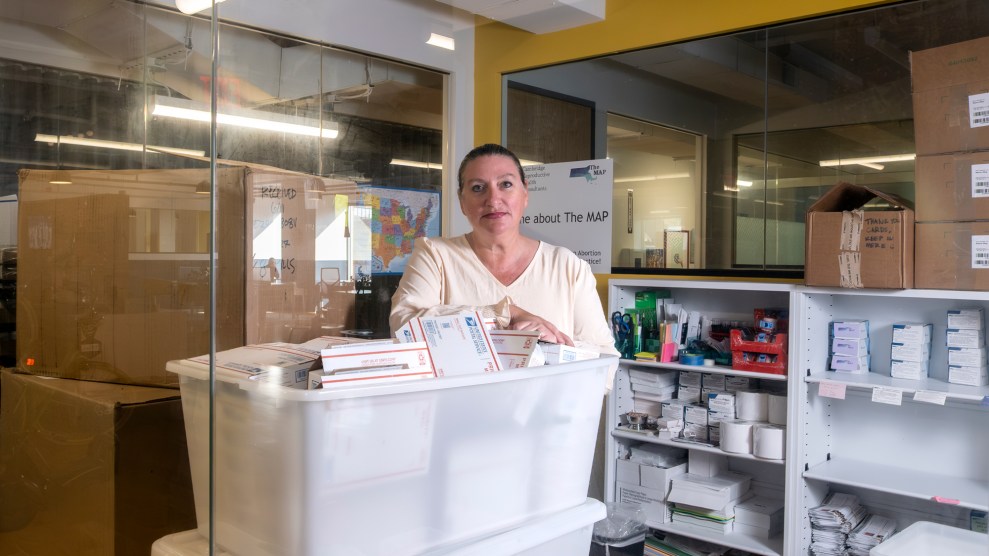
Roe v. Wade was struck down in 2022, leading to widespread fears of restricted abortion access in the United States. It was anticipated that many women would be forced to travel long distances to obtain care and that others would be compelled to continue unwanted pregnancies. However, the situation took a surprising turn in the years following the decision. Abortion rates actually rose by nearly 20 percent in the four years since the overturning of Roe.
This turn of events has been attributed to the proliferation of medication abortions, which now comprise nearly two-thirds of all abortions in the country. Telehealth providers are confident that medication abortion is here to stay and cannot be reversed. The abortion access movement has established an extensive healthcare, legal, and financing infrastructure that has enabled abortions for hundreds of thousands of women, even in the most conservative regions of the US.
Kristan Hawkins, who played a significant role in the opposition to Roe v. Wade, is now actively involved in shaping the post-Roe landscape. Initially known for her hardline stance against abortion, Hawkins is now working to control the movement she helped create. While some may see her as a polarizing figure, her efforts have contributed to the dynamic and evolving nature of abortion access in the United States.
Written by urgent.news from Mother Jones's reporting — not their text. Machine-written — may contain errors; check the original before relying on it.