Kommentar: Pisa 2026 – die unbequeme Lektion aus Chinas Klassenzimmern
Shanghai und Peking hängen deutsche Schüler in Mathe locker ab. Der Grund liegt nicht im System – sondern in einer Frage, die deutsche Eltern kaum noch stellen.
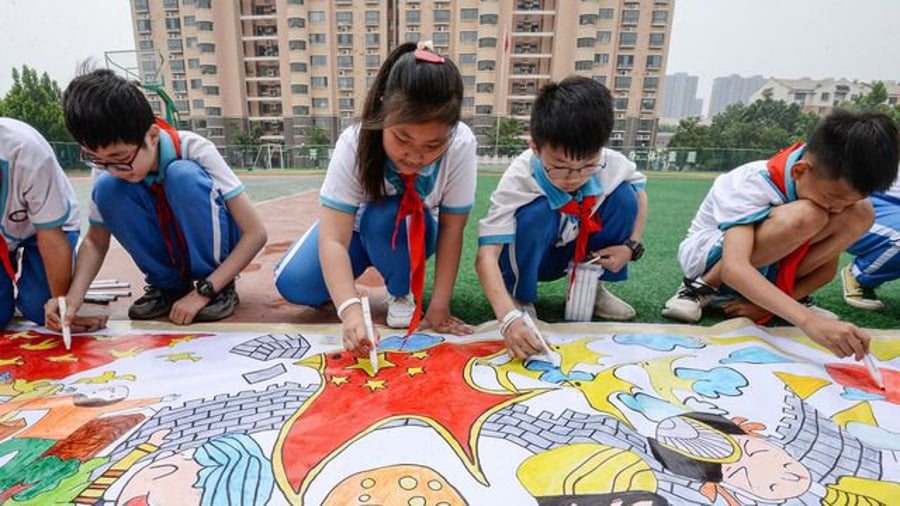
Germany has once again been struck by the Pisa shock, and once again, eyes have turned to Asia. The Chinese cities of Beijing and Shanghai, as well as the provinces of Jiangsu and Zhejiang, have achieved top scores in mathematics and sciences. This has sparked the familiar criticism: the selection is not representative, the methodology is questionable.
Another common objection is that Germany should compare itself with countries that have a similar political system – namely democracies like Taiwan, South Korea, or Japan. This is undoubtedly true. After all, the results of the four Chinese regions cannot be generalized to the whole country. And an authoritarian state is only loosely comparable to a liberal democracy.
Yet neither should we make this too easy when considering the Chinese experiences. This time, it's not about system rivalries, Xi Jinping, or the nationalist propaganda taught in Chinese schools. Rather, it's a private, almost familial question: How much time, money, and care do we actually invest in the education of our children?
Written by urgent.news from Handelsblatt's reporting — not their text. Machine-written — may contain errors; check the original before relying on it.
This story
This is one outlet's version. Read the fullest account.