Illegal wildlife continues to slip through Canada’s borders. Experts explain how
It is far easier than one might expect to access the illegal wildlife trade in Canada. Chris Shepherd, a senior conservation advocate with the Center for Biological Diversity, knows this firsthand. On a recent call with Mongabay, he recounted attending a reptile fair in Canada and speaking to a seller who told him he regularly […]
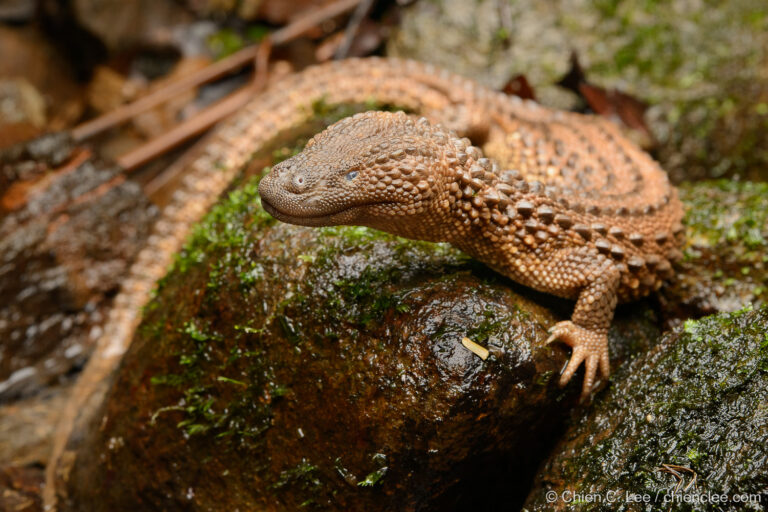
Illegal wildlife trade continues to slip through Canada's borders undetected, according to experts who have observed the illicit activity firsthand. Chris Shepherd, a senior conservation advocate at the Center for Biological Diversity, recently attended a reptile fair in Canada and encountered a seller who openly admitted to receiving shipments of "anything you want" from the United States.
When questioned about illegal Indonesian animals, the seller revealed that they had already sold out of those items, promising to procure more the following weekend.
The black-market wildlife trade is a global phenomenon that is driving many species towards extinction, and it is a highly lucrative industry. According to a study published in the journal Ecology and Evolution, the illegal poaching and trade of wildlife is valued at approximately $20 billion annually, while the legal trade is estimated at $220 billion per year, involving at least 70,000 species. Most of these animals are shipped or smuggled in large quantities, with little data available on their sustainability.
Beyond the conservation concerns, the illegal wildlife trade also poses a significant public health threat. Importing animals from around the world without proper oversight can expose both humans and livestock to zoonotic diseases that can jump between species. Examples of such diseases include Ebola, tuberculosis, rabies, avian influenza, and COVID-19.
The illegal wildlife trade is also a national security issue, as international organized crime syndicates are responsible for running these black-market operations. These syndicates often function through bribery, fraud, complicity, and corruption, making them difficult to dismantle. Many people are unaware of the extent of this problem and the potential consequences of their actions.
Written by urgent.news from Mongabay's reporting — not their text. Machine-written — may contain errors; check the original before relying on it.