iFixit’s AirPods 5 teardown reveals one key improvement to Apple’s earbuds
iFixit tore down the new AirPods 5 and found some notable improvements compared to their predecessors.
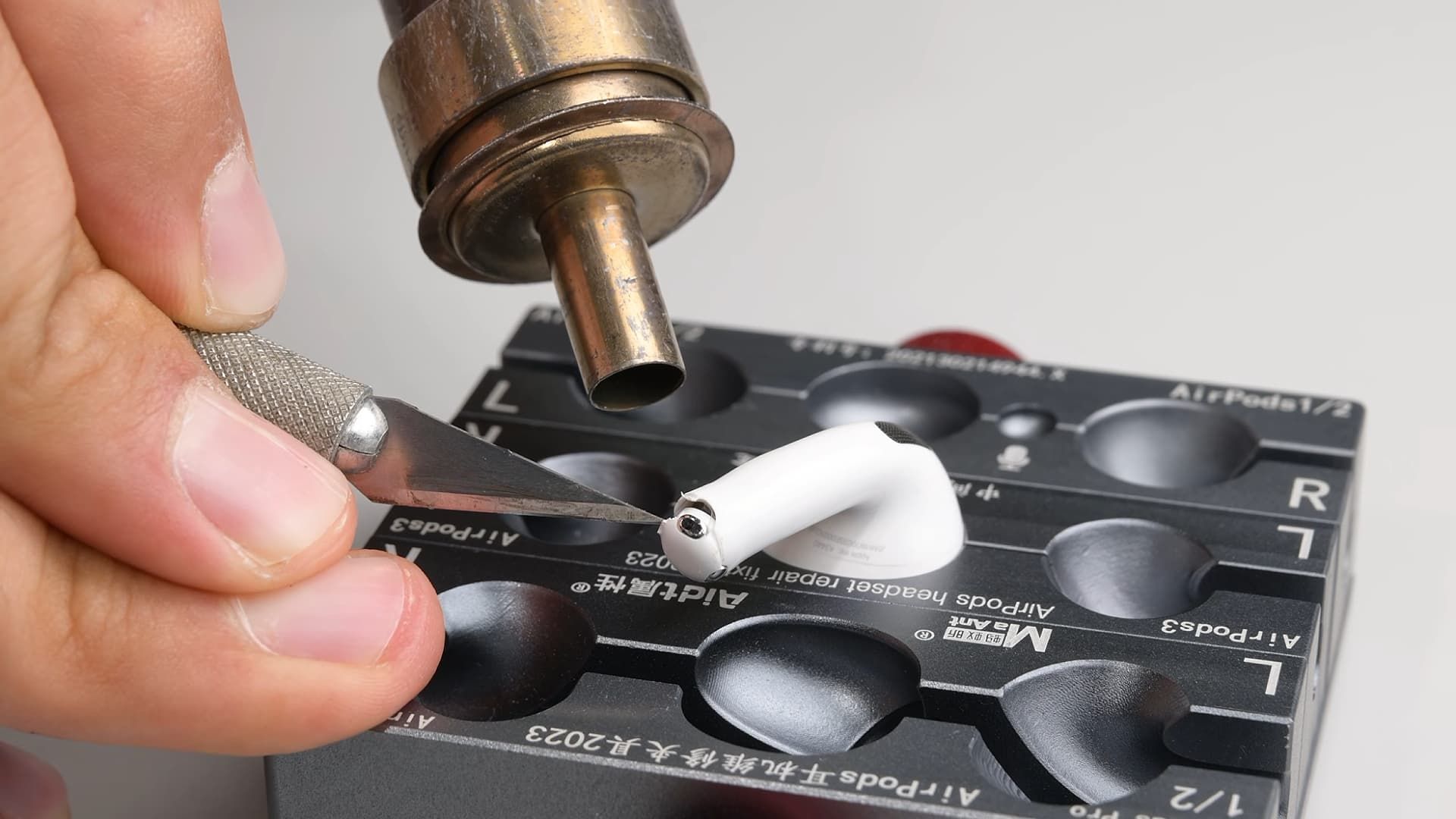
Repair experts iFixit examined Apple's latest AirPods 5 earphones and found a few important changes compared to previous AirPods versions. Despite Apple products not typically being known for their repairability, iFixit gave the new AirPods 5 a low score of 2/10 in its teardown. The case proved to be a major issue, with iFixit describing it as a "disaster" due to its tightly sealed design, which required the destruction of the case to access the internal battery.
Additionally, there were no replacement parts or repair manuals provided by Apple, leading to a disappointing low score. However, there were some positive aspects to the AirPods 5. The batteries inside the earphones were improved, featuring plug-in prongs instead of being soldered, making them simpler to replace. Moreover, the AirPods 5 could be opened using common household items like a hairdryer and clamp, eliminating the need for specialized tools and potentially lowering barriers for repair technicians.
While Apple has acknowledged the desire to balance durability and repairability, with CEO John Ternus stating their goal of creating devices that are both durable and repairable, the AirPods 5 still pose challenges for the average consumer. However, for those willing to invest time and effort into repairing their devices, the AirPods 5 represent a step in the right direction towards longer-lasting and more repairable technology.
Written by urgent.news from TechRadar's reporting — not their text. Machine-written — may contain errors; check the original before relying on it.
Also reported by 1 other outlet
- Apple makes the AirPods 5 slightly less hostile to repair theregister.com