‘I eat 4 spoons of rice or just 1 roti, still my blood sugar is rising’: What’s hiding in the meal?
A patient expressed concern to their doctor about rising blood sugar levels despite reducing rice intake to four spoonfuls and eating only one roti. Upon examining the patient's meal photo, it became clear that the meal consisted of potato curry, a large bowl of dal, sweetened curd, two pieces of mango, and a cup of tea with three biscuits. The doctor explained that blood glucose levels are influenced by the entire meal, not just the portion of rice or wheat.
The doctor emphasized that rice and wheat are not the only sources of carbohydrates in a meal. Other sources include potatoes, sweet potatoes, corn, sabudana, breakfast cereals, bread, noodles, poha, upma, idli, and dosa. Even milk, fruit, dal, and beans contain carbohydrates. Therefore, reducing rice and wheat alone may not be sufficient to control blood sugar levels.
The doctor also pointed out that small, seemingly insignificant additions throughout the day can add up and contribute significantly to overall carbohydrate intake. Examples include biscuits with tea, namkeen while talking on the phone, cashews, and fruit after meals. These repeated additions can be just as detrimental as larger portions during main meals.
Furthermore, the doctor stressed the importance of considering all food and drink consumed throughout the day, not just the meals themselves. Beverages such as fruit juices, coconut water, sweet lassi, flavored yogurt, milkshakes, and repeated cups of sweet tea can also contribute to elevated blood sugar levels. Even "healthy" options like honey, jaggery, and brown sugar are still forms of added sugars.
The doctor cautioned against focusing solely on the carbohydrate content of individual foods. For instance, a paratha may initially slow down the rise in blood sugar due to the presence of fat, but it can still lead to sustained elevated glucose levels later and contribute to weight gain. Similarly, fried foods, snacks, and liberal use of oil or ghee can provide excess calories that the body may not utilize, leading to fat accumulation in various parts of the body, including the liver and pancreas, which can impair insulin function.
The doctor also highlighted that type 2 diabetes can progress over time, even if the portion sizes remain the same. The pancreas may gradually lose its ability to produce sufficient insulin, causing blood sugar levels to rise even if the meal appears unchanged. Additionally, factors such as poor sleep, emotional stress, infection, pain, reduced activity, certain medications, and missed doses of diabetes medication can contribute to higher blood sugar readings.
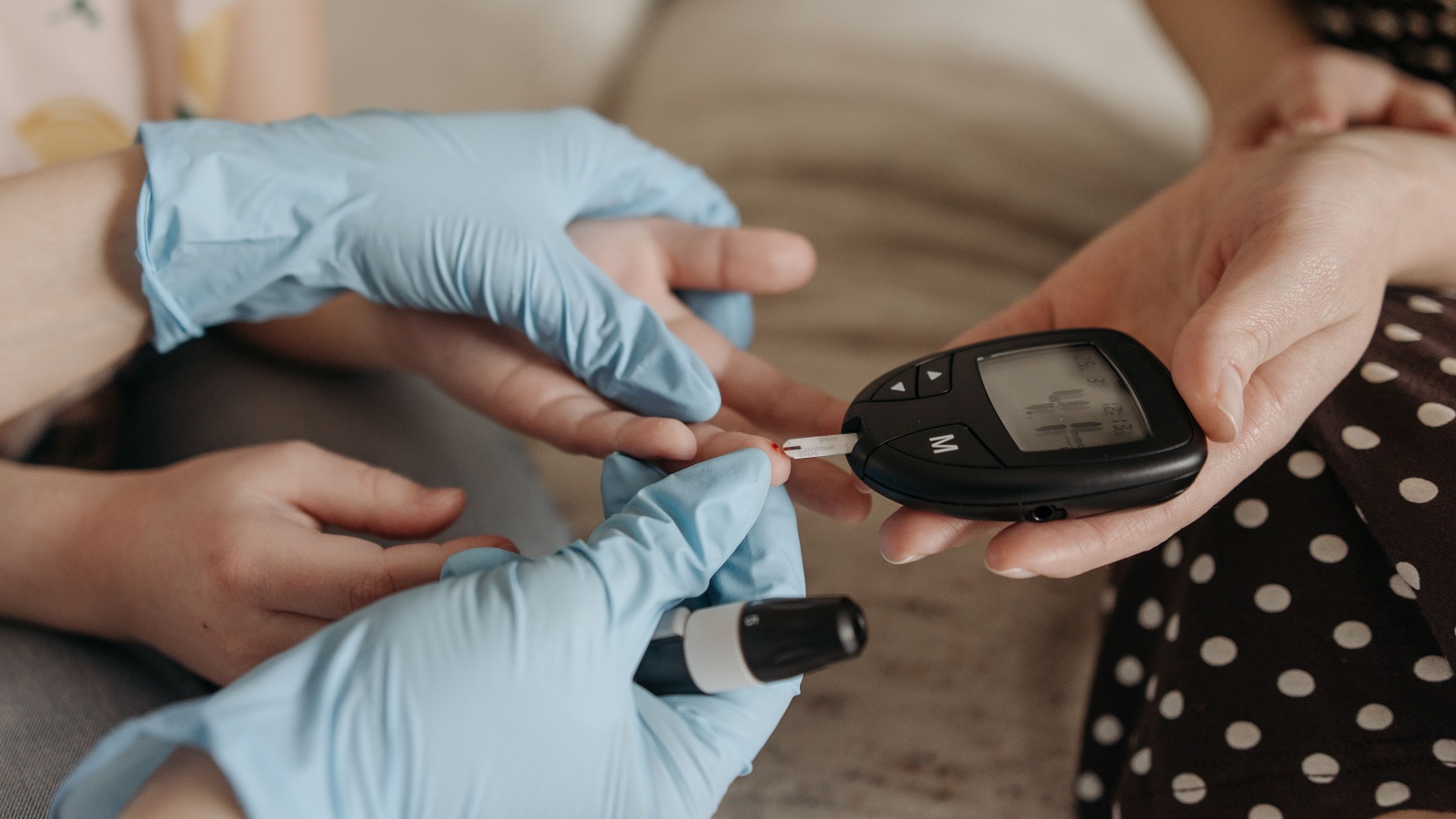
To better understand the underlying causes of rising blood sugar levels, the doctor advised patients to keep a record of their food and drink intake, along with approximate quantities, times, glucose readings, and medication information, for at least three ordinary days. Patterns may emerge that provide valuable insights into the patient's dietary habits and their impact on blood sugar control.
Written by urgent.news from The Indian Express's reporting — not their text. Machine-written — may contain errors; check the original before relying on it.